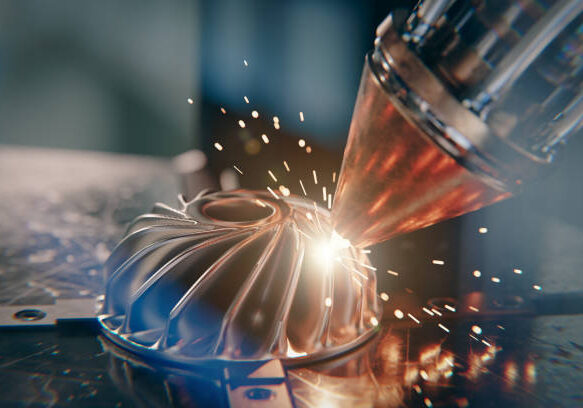
Ansys Additive provides an end-to-end metal 3D printing simulation platform, from design for manufacturability to build process and residual stress analysis. It helps engineers predict distortion, thermal effects, and optimize laser paths and supports before printing. Integrated with Ansys Mechanical and Workbench, it ensures accurate, reliable parts while reducing build failures and development time.
Core Products
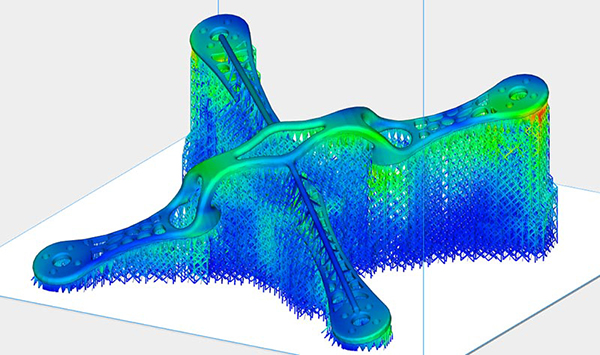
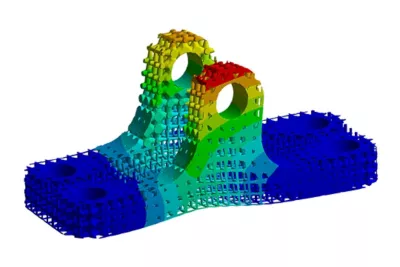
Ansys Additive Suite – End-to-End Metal Additive Manufacturing Simulation
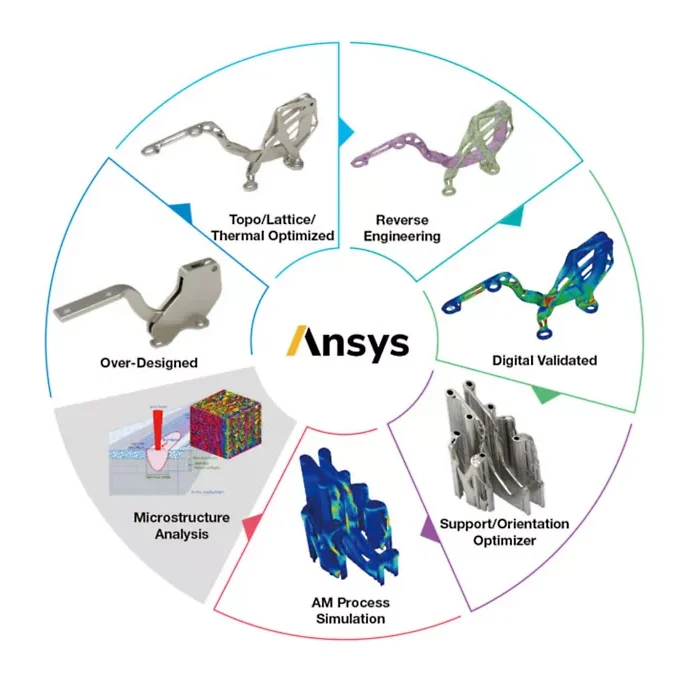
Ansys Additive Suite provides a comprehensive solution for the entire metal additive manufacturing (AM) workflow—from design to print. It enables engineers to predict residual stresses, distortions, and defects before printing, ensuring parts meet dimensional and performance requirements. Integrated with Ansys Mechanical and Ansys Workbench, it allows optimization of build orientation, support structures, and process parameters for reduced material waste and cost.
Used for:
Additive manufacturing engineers, design engineers, and simulation analysts working on metal 3D printing applications.
Key Benefit:
Delivers a fully integrated workflow that minimizes trial prints, improves part accuracy, and accelerates additive manufacturing development.
Ansys 3D Additive Prep – Build Preparation and Optimization Tool
Ansys 3D Additive Prep simplifies the build setup process by enabling precise orientation, automatic support generation, and efficient nesting within the build platform. It allows engineers to visualize the entire print setup and prepare high-quality STL files ready for simulation or direct printing. With its user-friendly interface, it bridges the gap between CAD design and additive simulation, ensuring a smoother pre-processing stage.
Used for:
Design engineers and additive manufacturing specialists preparing models for metal 3D printing and simulation.
Key Benefit:
Speeds up build preparation with automated orientation and support generation tools, ensuring print-ready models with minimal effort.
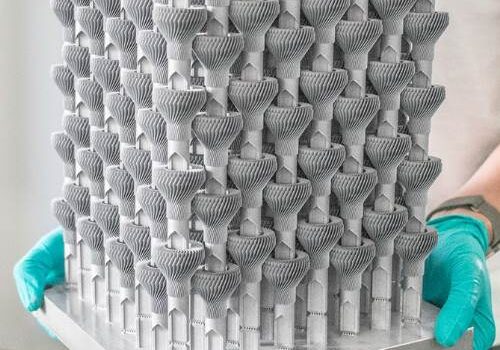
Ansys Additive Print – Process Simulation for 3D Metal Printing
Ansys Additive Print enables accurate simulation of the metal 3D printing process to predict thermal distortions, residual stresses, and potential build failures before production. It helps engineers optimize laser scan paths, layer strategies, and process parameters for improved dimensional accuracy. The software provides critical insights into part deformation and enables compensation for distortion directly in the design model.
Used for:
Process engineers, simulation analysts, and additive manufacturing teams focusing on metal AM performance and reliability.
Key Benefit:
Reduces trial-and-error in metal 3D printing by predicting defects early, ensuring high-quality, dimensionally accurate printed parts.
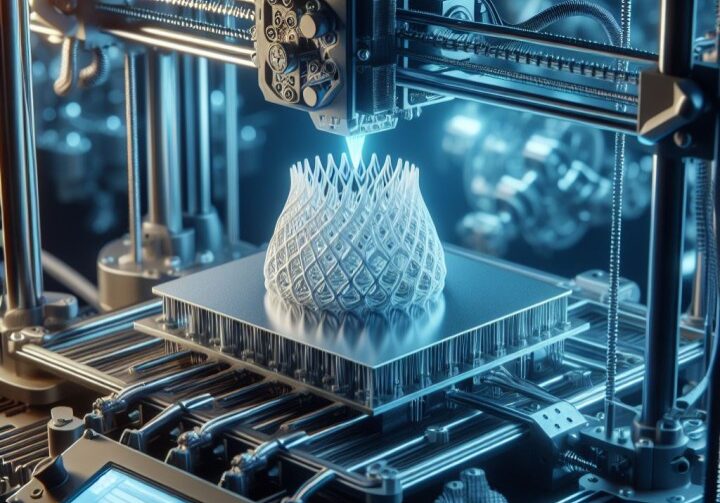
Highlights of Ansys Additives
Process Simulation for Metal Additive Manufacturing
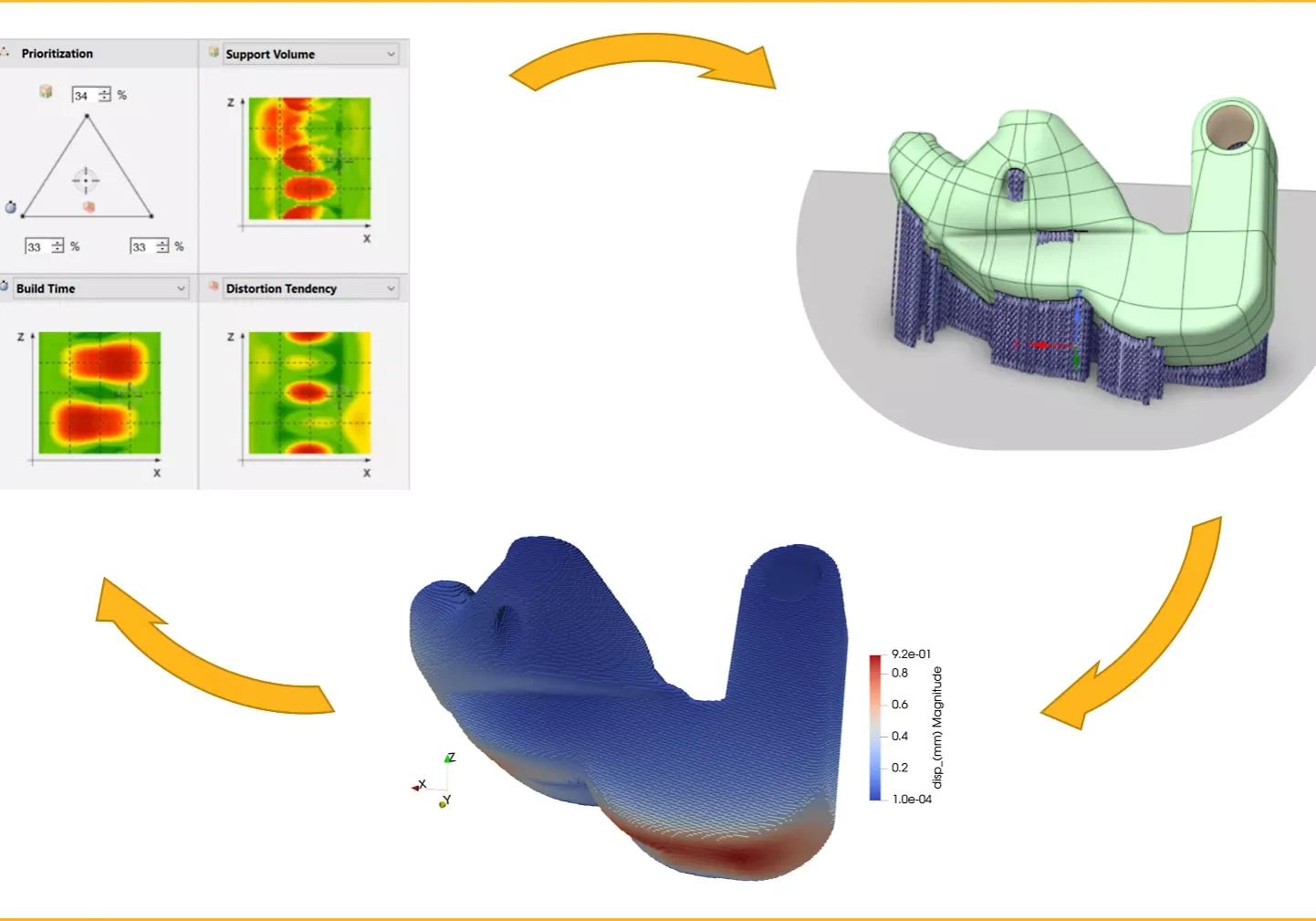
Predict distortion, residual stress, and build failures during 3D printing to ensure part accuracy and reliability before printing.
Key Capabilities:
Benefits:
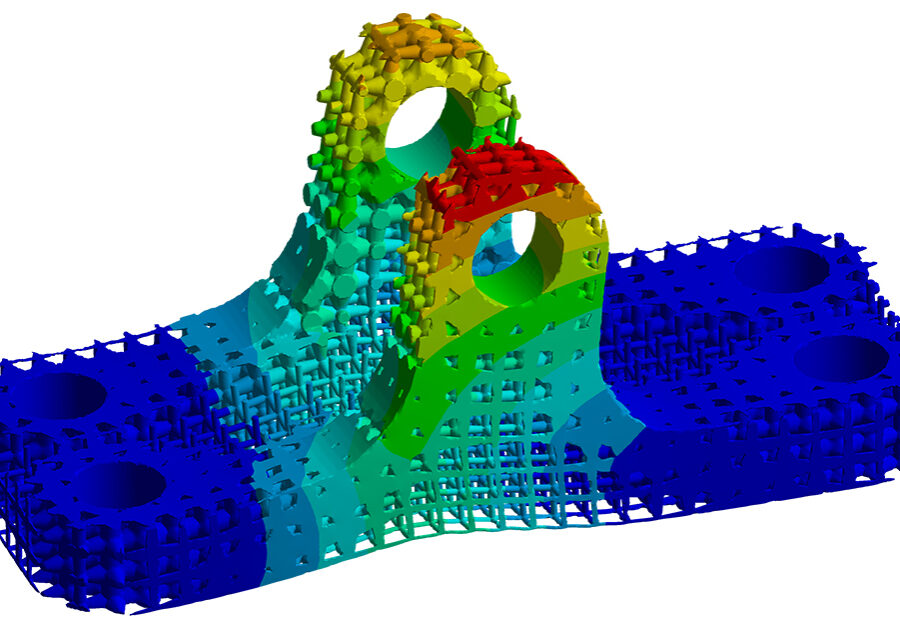
Build Preparation and Support Optimization
Prepare geometries, define orientation, and generate optimized support structures for efficient printing and post-processing.
Key Capabilities
Benefits
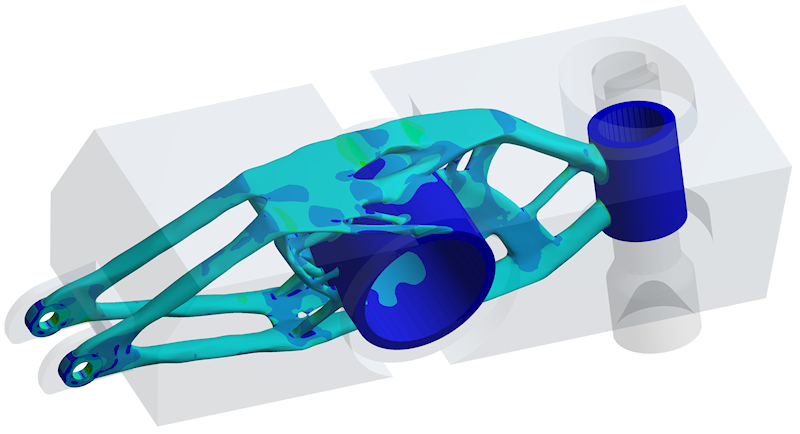
Thermal and Structural Analysis of Printing Process
Simulate temperature distribution, residual stresses, and material phase transformations during the print cycle.
Key Capabilities
Benefits
Workflow Integration and Process Optimization
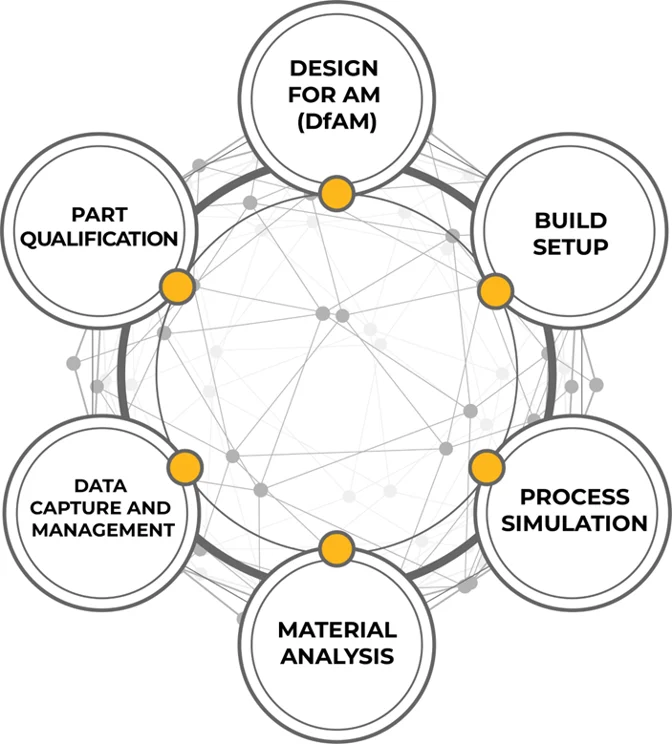
Connect the entire additive manufacturing workflow—from design to print validation—within one simulation-driven ecosystem.
Key Capabilities
Benefits
Applications Across Industries
Additive simulations are revolutionizing aerospace, automotive, medical, and industrial manufacturing — from lightweight engine parts to customized implants.
At SolidTrust Technologies, we deliver Ansys Additive solutions that ensure first-time-right 3D printing with precision, strength, and cost-efficiency.
Relevant FAQs
Yes, it simulates thermal gradients and residual stresses to forecast part deformation before printing.
Absolutely — it models laser powder bed fusion, direct energy deposition, and other metal AM processes.
Yes, it includes build orientation and support optimization tools to minimize material and build time
By predicting defects such as cracking, overheating, or lack of fusion before physical builds.
Yes, thermal and stress fields can be mapped for post-build structural verification.
Yes, engineers can apply distortion compensation to ensure tolerance accuracy.
Yes, simulation-backed build verification accelerates qualification and reduces costly reprints.
Success Stories
Ready to achieve first-time-right additive manufacturing results?
Get in touch with SolidTrust Technologies for simulation guidance, pricing, and software training in South India .