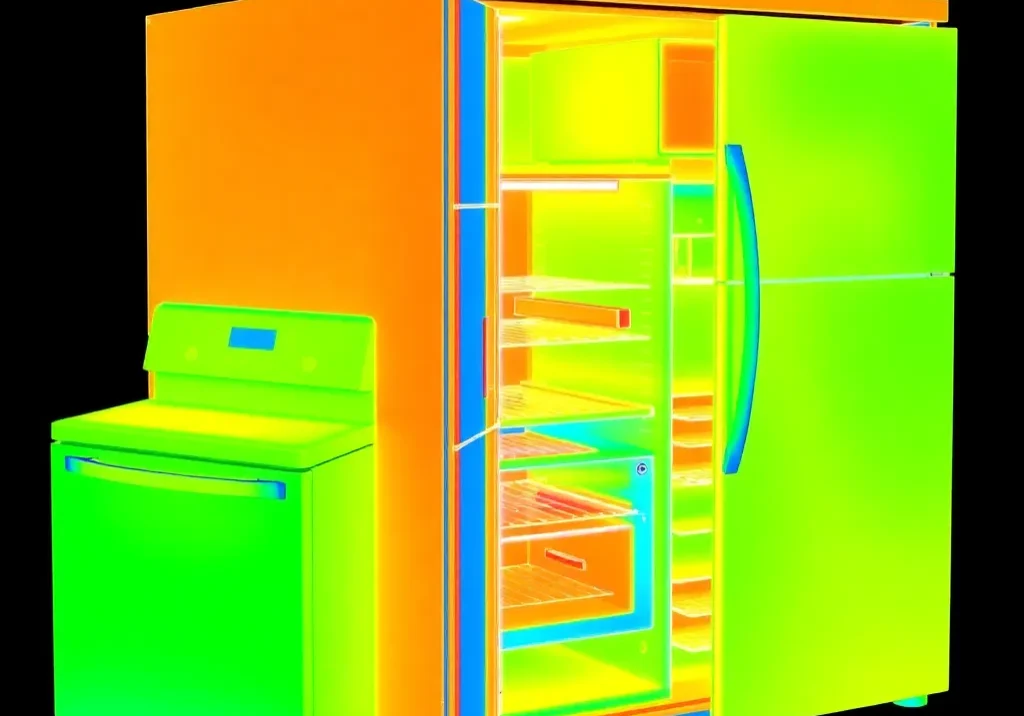
Ansys Icepak

Electronics Cooling & Thermal Management

Advanced Thermal Simulation for Electronics and High-Power Devices

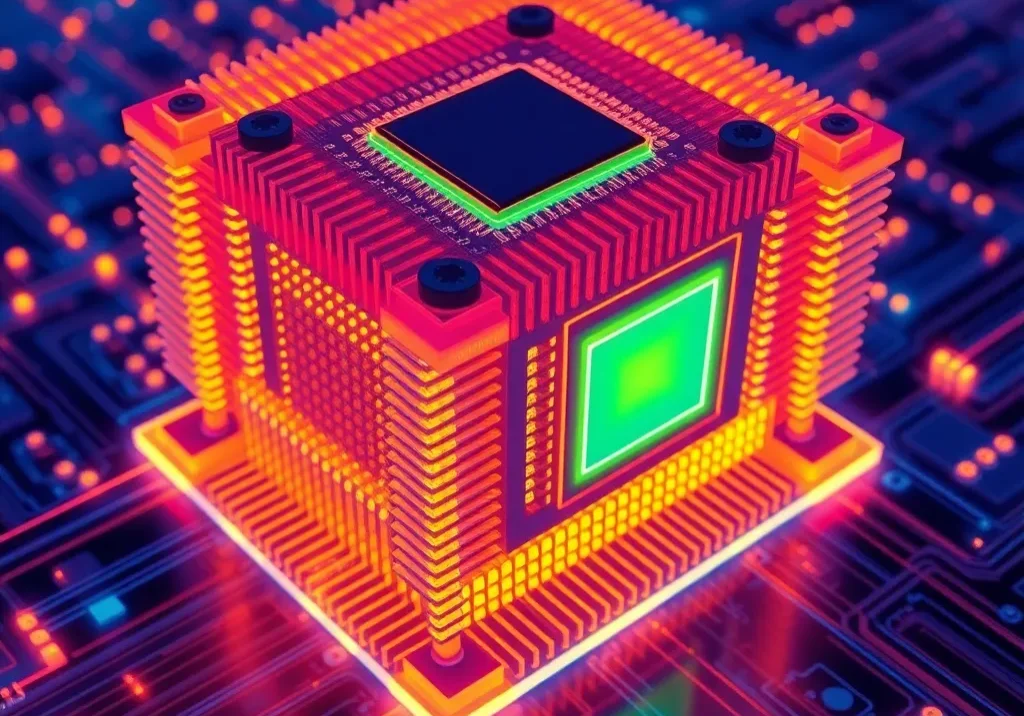
Ansys Icepak is a specialized CFD software for simulating electronics cooling and thermal management. It enables engineers to analyze heat transfer, airflow, and temperature distribution in electronic components, PCBs, enclosures, and high-power devices, ensuring reliability, efficiency, and safety in electronic systems.

Ansys Icepak provides a robust platform for electronics cooling analysis, combining CFD with thermal simulation tools. It models conduction, convection, and radiation in electronic systems, helping engineers prevent overheating, optimize airflow, and design effective thermal solutions. Icepak integrates seamlessly with Ansys Mechanical and Fluent for multiphysics simulation, allowing comprehensive thermal-electrical-structural studies.

What’s in it for Engineers

Accurate Thermal Management for Electronics:
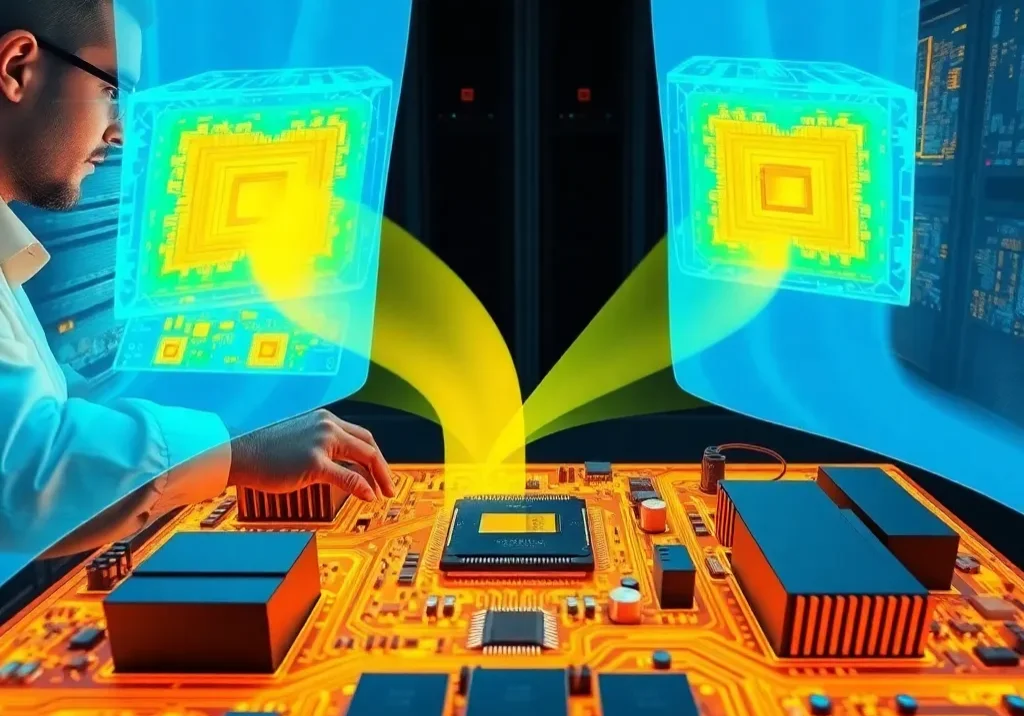
Icepak specializes in simulating the thermal performance of electronic systems. Engineers can model airflow and heat dissipation in components like PCBs, microchips, and servers, ensuring that designs remain within thermal limits.

Electronics Cooling Optimization:
Engineers designing high-performance electronics can use Icepak to simulate how heat spreads through various components, enabling better cooling solutions for longer device lifespans and improved reliability.

Complex Geometries with Realistic Simulations:
Icepak handles the cooling of systems with intricate geometries—such as server racks, PCBs, and power modules—in a way that’s accurate enough for precision applications.
2025_12_03_18_01_55_276_227803

Featured Applications

Ansys Icepak is a powerful simulation tool for thermal analysis, specifically designed for electronics cooling and thermal management. It provides accurate, reliable simulations for understanding heat dissipation and optimizing thermal designs in electronic systems. Below are key applications of Ansys Icepak:

Electronics Cooling
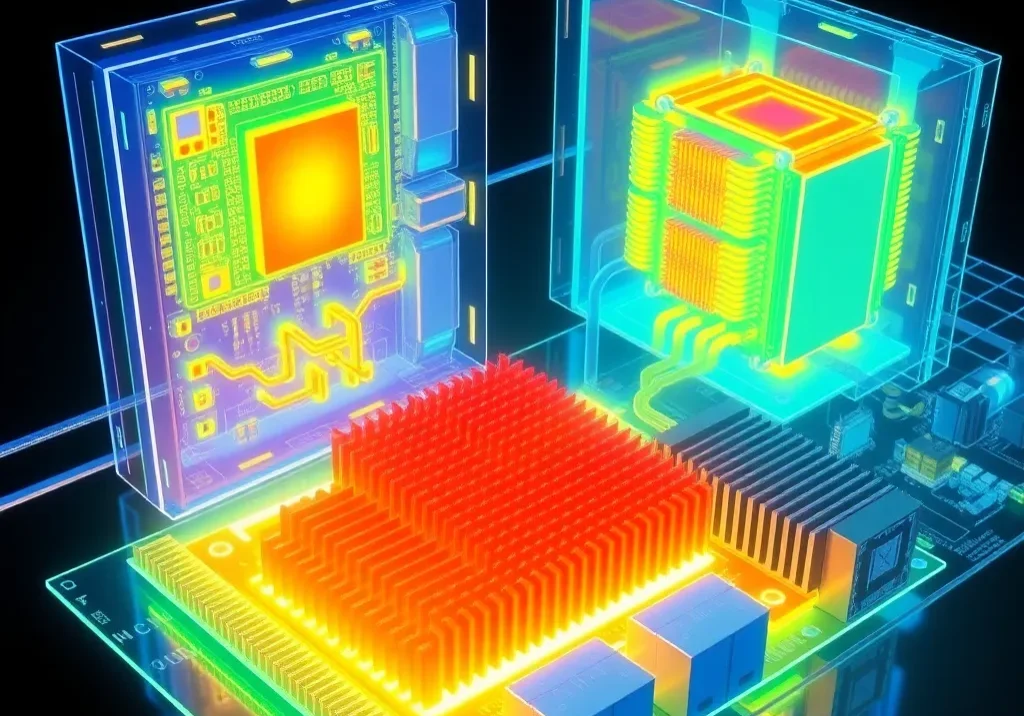
PCB & Component Thermal Management: Simulate heat distribution in printed circuit boards (PCBs) and electronic components to ensure optimal cooling and prevent overheating.

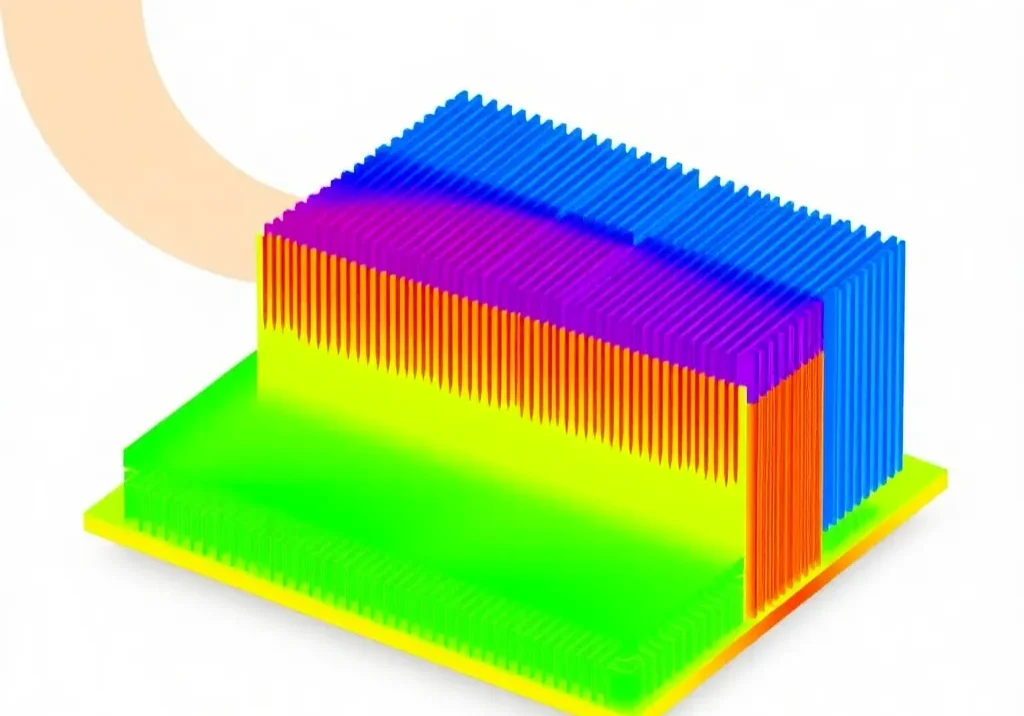
Heat Sink Design & Optimization: Model and optimize heat sinks, fans, and cooling systems to improve heat dissipation in devices such as processors, power electronics, and LEDs.

Thermal Interfaces & Materials: Analyze thermal interface materials (TIMs) and their effect on heat transfer between components and heat sinks.

2025_12_03_18_19_26_690_684888

Semiconductor & Chip Cooling

IC Package Thermal Simulation: Simulate the heat generation and dissipation within integrated circuits (ICs) to avoid thermal hotspots and ensure proper cooling.

Chip-to-Heat Sink Interface: Model the interaction between semiconductor chips and heat sinks, optimizing the design for maximum heat transfer efficiency.

Power Density & Junction Temperature: Analyze the impact of power density on junction temperatures and ensure that components operate within safe limits.

2025_12_03_18_22_03_477_730234

Power Electronics

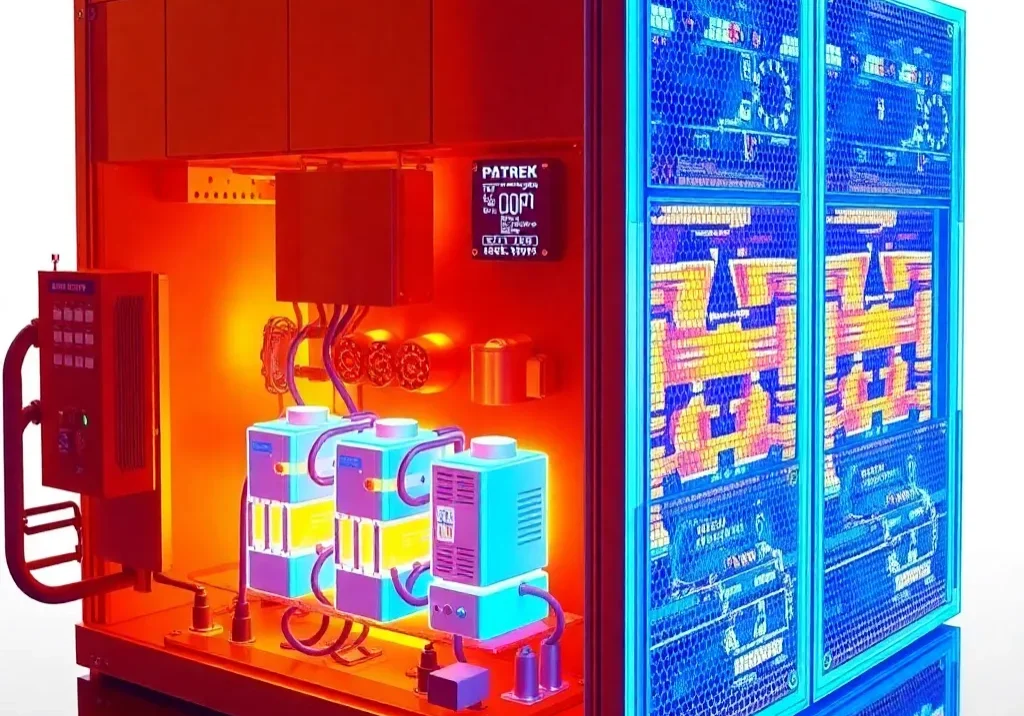
Power Module Cooling: Simulate and optimize the cooling of power modules, inverters, and other high-power electronics to improve performance and prevent thermal failure.

mal Behavior of Power Supplies: Analyze the thermal performance of power supplies and voltage regulators, ensuring efficient heat dissipation and thermal management.

High-Power Component Cooling: Model thermal interactions in high-power components like transistors, capacitors, and resistors to improve reliability and lifespan.

2025_12_03_18_24_28_955_449399

LED & Lighting Systems

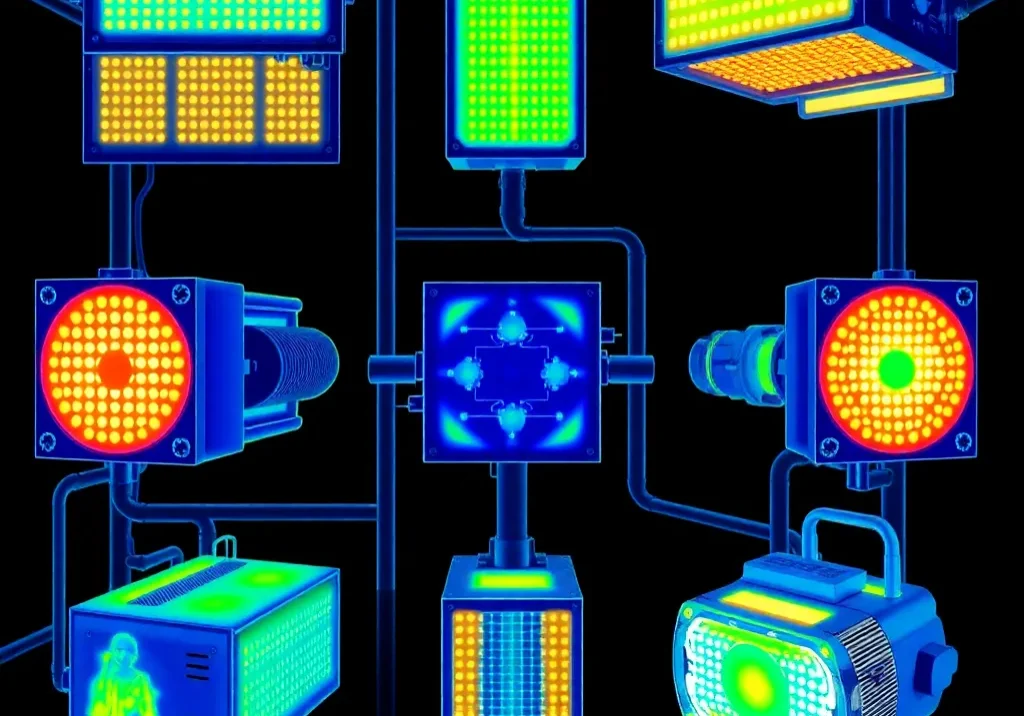
LED Thermal Performance: Simulate the thermal management of LED modules to prevent overheating, ensuring long-term reliability and optimal light output.

Lighting Fixture Cooling: Design and optimize cooling solutions for large-scale lighting fixtures and arrays, such as streetlights and industrial lighting.

Thermal Performance of Light Engines: Analyze heat generation and transfer within complex LED light engines and their surrounding housing for improved energy efficiency.

2025_12_03_18_27_06_806_799078

Automotive Electronics & Thermal Management
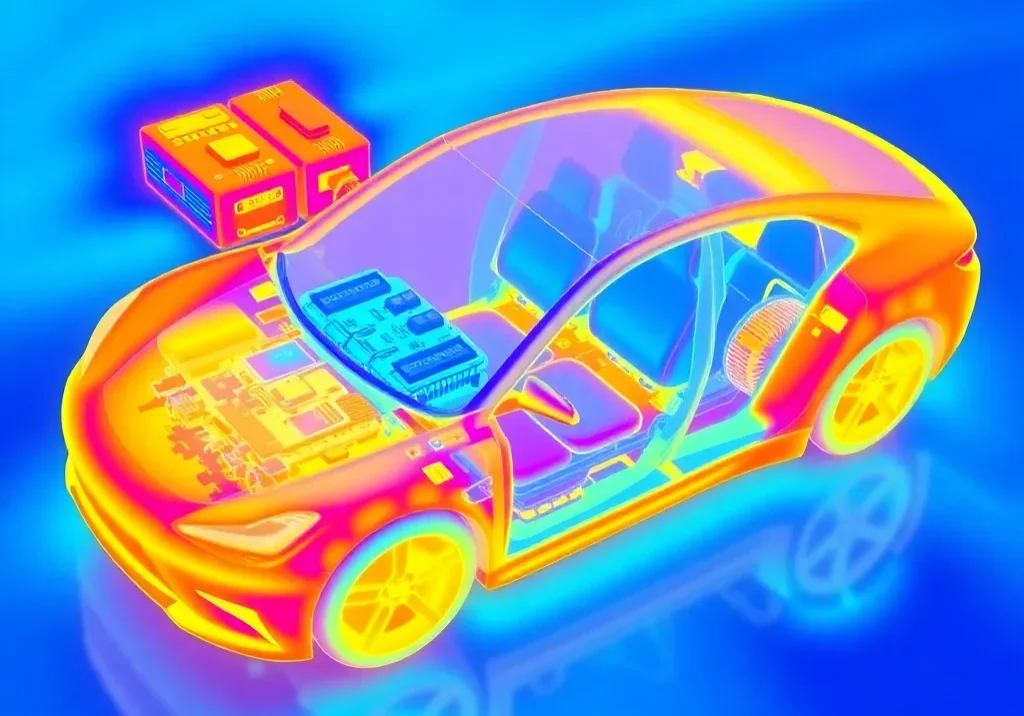
Battery & Electric Vehicle Cooling: Simulate the thermal performance of electric vehicle (EV) batteries, electric motors, and power electronics to improve efficiency and safety.

Powertrain & HVAC System Simulation: Model and optimize the thermal performance of automotive powertrains and HVAC systems to enhance energy efficiency and user comfort.

Thermal Management in EV Components: Simulate and optimize the cooling of EV components like chargers, converters, and inverters to prevent overheating during operation.

2025_12_03_18_29_31_787_791350

Data Center & Server Cooling

Server Rack Cooling: Optimize the airflow and cooling strategies within server racks and data centers, preventing hot spots and ensuring uniform temperature distribution.

High-Density Electronics Cooling: Simulate the thermal performance of high-density electronics in data centers, focusing on minimizing power loss and heat buildup.

Power and Thermal Efficiency in Data Centers: Analyze and optimize the overall thermal efficiency of data center equipment, reducing energy consumption while maintaining performance.

2025_12_03_18_31_30_788_471165

Consumer Electronics

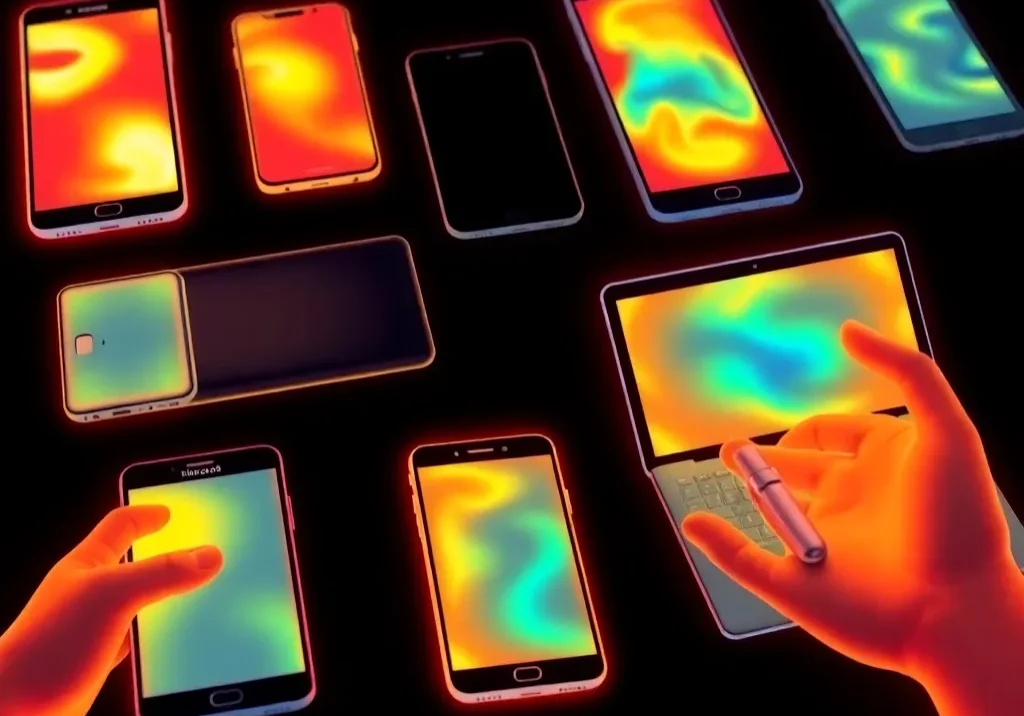
Smartphone & Tablet Thermal Management: Model the heat generation and dissipation in mobile devices to optimize battery life, performance, and user comfort.

Laptop & Wearable Device Cooling: Simulate and optimize cooling solutions for laptops, smartwatches, and other wearable devices to prevent overheating.

Thermal Performance of Smart Devices: Ensure the thermal reliability of smart home devices, wearables, and other electronics by simulating temperature effects under different operating conditions.

2025_12_03_18_33_47_456_151124

Aerospace & Defense

Avionics Cooling Systems: Simulate and optimize the cooling of avionics systems, ensuring reliable operation in the extreme conditions of space and aerospace environments.

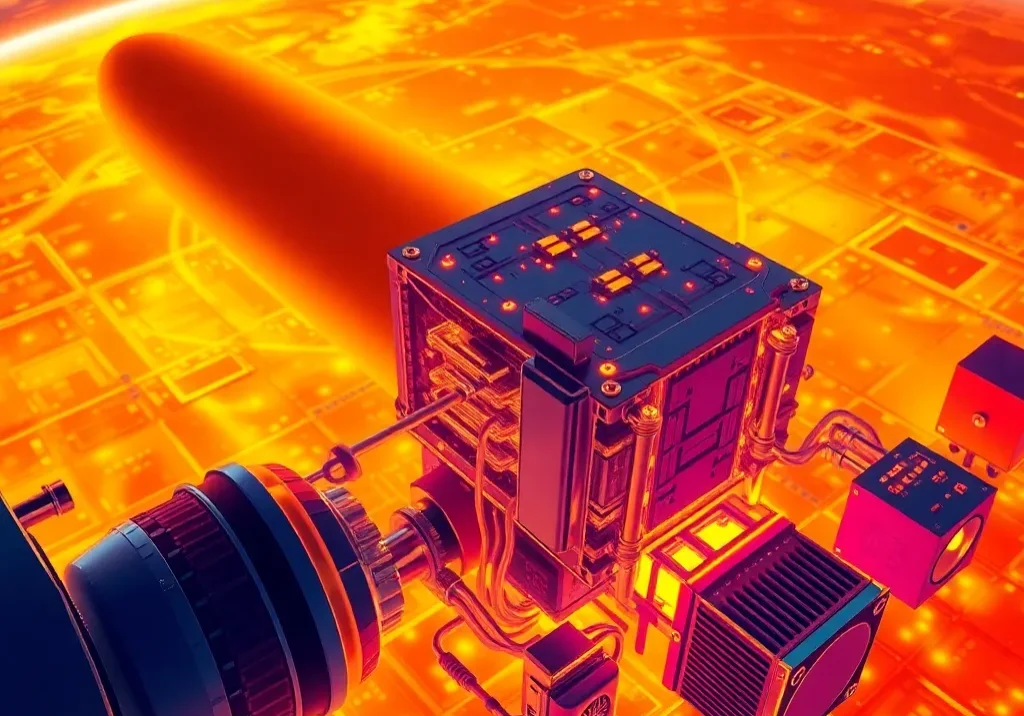
Thermal Management in Satellite Components: Model heat dissipation in satellite electronics to avoid component failure due to excessive heat in space.

Thermal Simulation of Military Electronics: Ensure the reliability of military electronics under extreme environmental conditions, optimizing the thermal performance of communication and radar systems.

2025_12_03_18_39_00_549_694538

Medical Devices

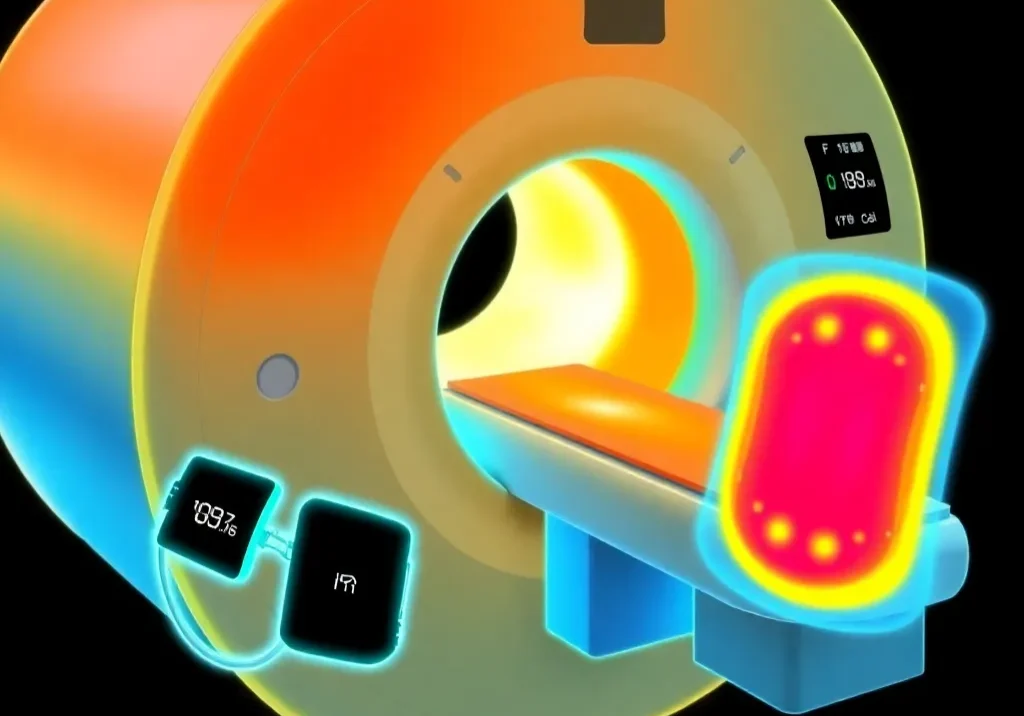
Medical Equipment Cooling: Simulate the thermal performance of medical devices like MRI machines, pacemakers, and diagnostic equipment to ensure safe operation.

Heat Management in Wearable Health Devices: Optimize the thermal behavior of wearable health monitoring devices, ensuring that sensors and components stay within safe operating temperatures.

Thermal Stability in Medical Implants: Analyze the thermal stability of medical implants, such as pacemakers and insulin pumps, ensuring patient safety and device longevity.

2025_12_03_18_41_13_325_804906

Industrial Equipment & Machinery

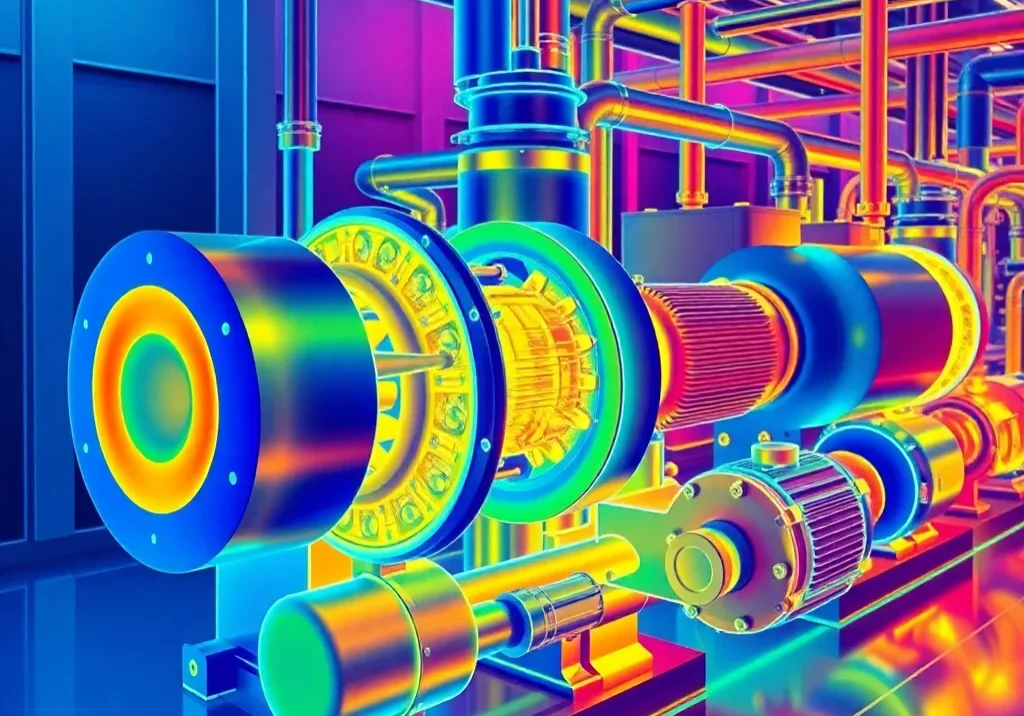
Industrial Equipment Cooling: Optimize cooling for industrial machinery and components, including motors, actuators, and control units, to enhance reliability and performance.

Vibration & Thermal Interaction: Simulate the interaction between thermal and mechanical loads in industrial systems, such as turbines, pumps, and compressors, to improve operational efficiency.

Heat Dissipation in High-Power Machinery: Model thermal behavior in high-power industrial systems, such as welding equipment and heavy-duty machinery, to prevent overheating.

2025_12_03_18_43_21_766_166198

Telecommunications

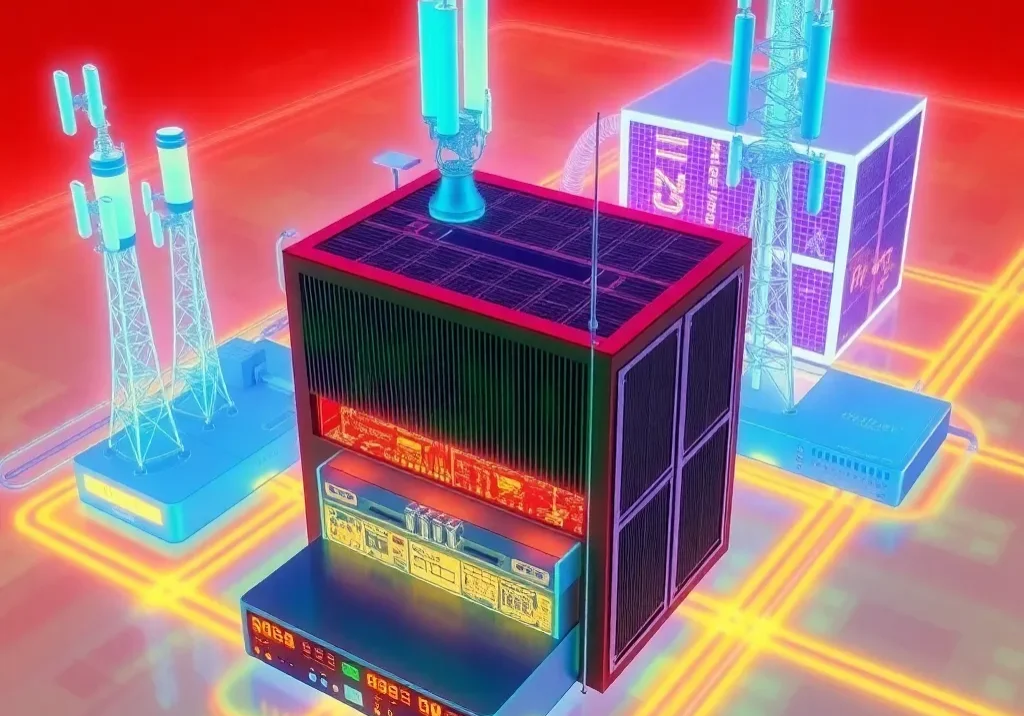
Telecommunication Equipment Cooling: Simulate thermal behavior in telecom devices like base stations, amplifiers, and routers, ensuring they stay within optimal operating temperatures.

Antenna & Transceiver Cooling: Analyze and optimize cooling solutions for high-frequency antennas and transceivers to improve performance and prevent overheating.

Thermal Management in Wireless Infrastructure: Model the heat dissipation in telecom towers, antennas, and other communication infrastructure to ensure longevity and reliability.

2025_12_03_18_45_37_590_722103

Consumer Appliances

Refrigeration & HVAC System Simulation: Model thermal performance in refrigeration and HVAC systems, optimizing efficiency and preventing energy loss.

Oven & Cooker Design: Simulate heat distribution in cooking appliances to ensure even cooking and safety.

Thermal Management in Household Devices: Ensure proper thermal management in devices like washing machines, dishwashers, and microwaves to optimize performance and safety.

2025_12_03_18_48_02_004_501197

Relevant FAQs 

Can Ansys Icepak model heat dissipation in electronics? +

Yes, it is specialized in simulating heat transfer and cooling for electronic systems.

Does Ansys Icepak handle forced convection cooling? +

Yes, it simulates forced convection, including airflow through heat sinks and PCBs.

How does Ansys Icepak simulate thermal management in enclosures? +

It simulates temperature distribution and airflow to optimize thermal management in electronic enclosures.

Can Ansys Icepak model thermal stresses in components? +

Yes, it can simulate thermal stresses and deformations in components under thermal loads.

Does Ansys Icepak integrate with other Ansys tools? +

Yes, it integrates with Ansys Mechanical and Fluent for multi-physics simulations.

How does Ansys Icepak handle component-level cooling? +

It provides detailed simulations for thermal management in individual electronic components like processors.

Can Ansys Icepak model transient thermal conditions? +

Yes, it supports transient simulations to analyze time-varying thermal conditions in electronic devices.

Ready to unlock the full potential of Ansys Icepak?

Learn how Ansys Icepak helps you efficiently simulate and optimize thermal management solutions for electronics.
2025_12_30_10_47_00_719_696320
We’re Online! How may I help you today?