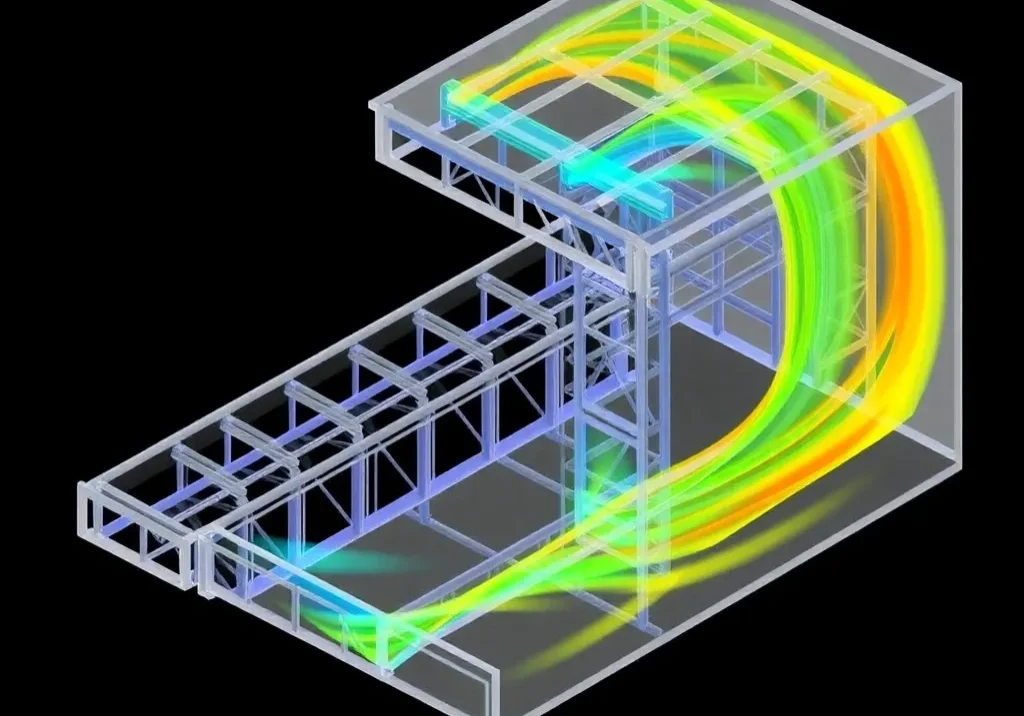
Ansys Motion is designed to simulate rigid and flexible multibody systems, accounting for interactions between components under dynamic loads. It integrates seamlessly with other Ansys tools for multiphysics simulation, allowing engineers to optimize mechanical performance and reduce design iterations. Its accurate predictive capability helps in the automotive, aerospace, industrial machinery, and robotics sectors.
What’s in it for Engineers
Comprehensive Multi-Body Dynamics Simulation: Ansys Motion enables engineers to simulate and analyze complex mechanical systems with multiple interconnected bodies. It’s ideal for automotive, aerospace, and industrial machinery applications where motion, forces, and interactions between parts need to be studied in detail.
Enhanced Kinematic and Dynamic Analysis: Engineers can perform detailed kinematic and dynamic analyses to understand how parts move and interact under varying conditions. This is critical for improving product functionality, performance, and safety, particularly in suspension systems, gearboxes, and actuators.
Advanced Contact & Collision Simulation: Ansys Motion offers advanced tools to model and analyze contact forces, friction, and collisions between components. This is essential for engineers designing automotive safety systems, robotic arms, and consumer products where part interactions are crucial to performance.
Design Optimization for Movement Systems: Engineers can optimize the design of actuators, linkages, and gears for smoother, more efficient movement. This results in higher performance, energy efficiency, and product longevity, all while minimizing material usage and production costs.
Featured Applications
Ansys Motion is ideal for simulating the dynamics of mechanical systems, providing insights into the motion, forces, and interactions of components.
Automotive Engineering
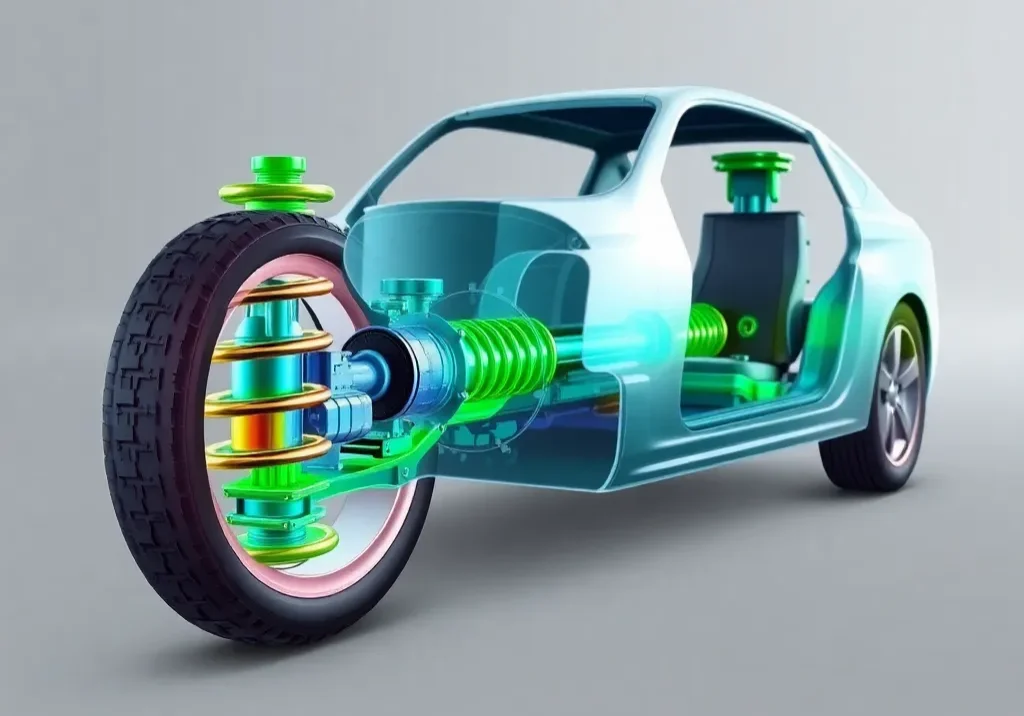
Aerospace & Defense
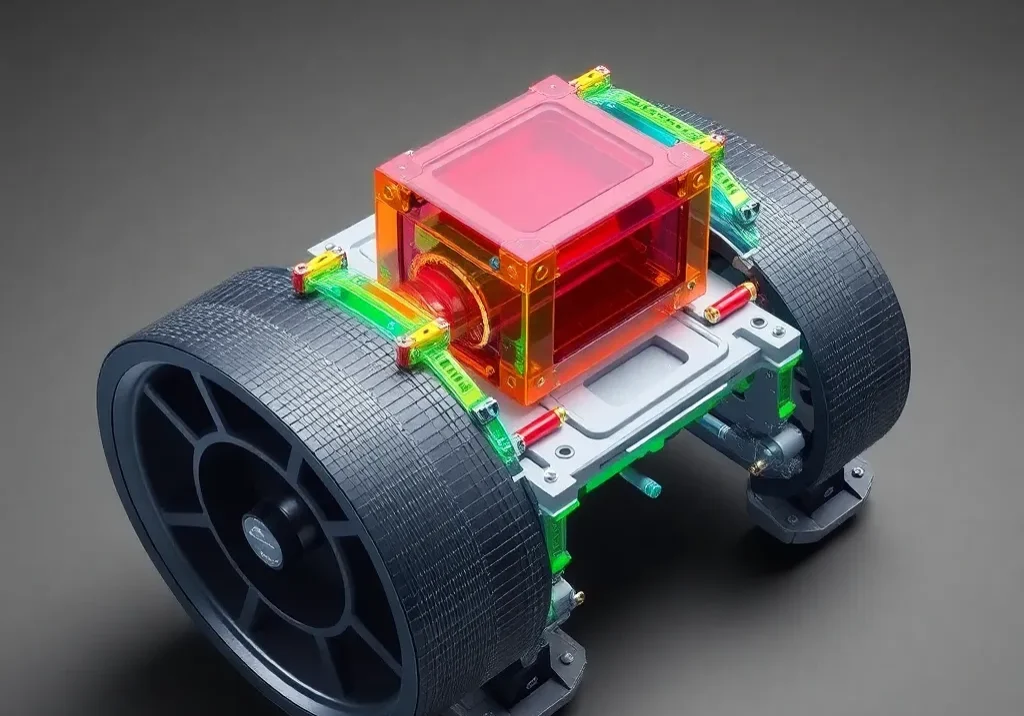
Robotics & Mechatronics

Consumer Electronics
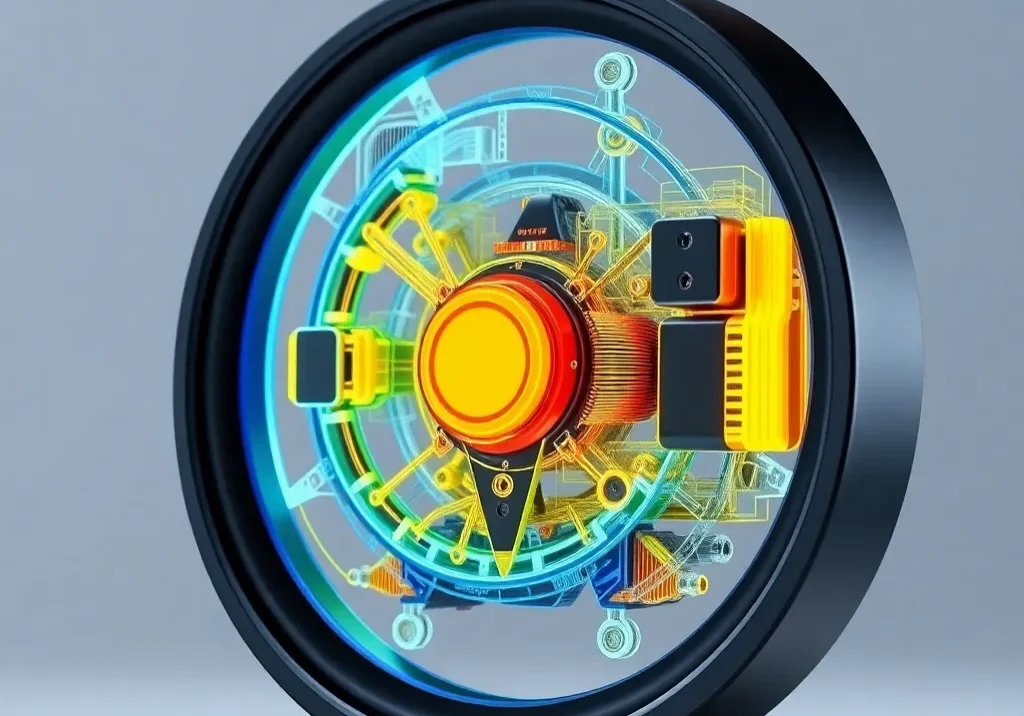
Industrial Equipment
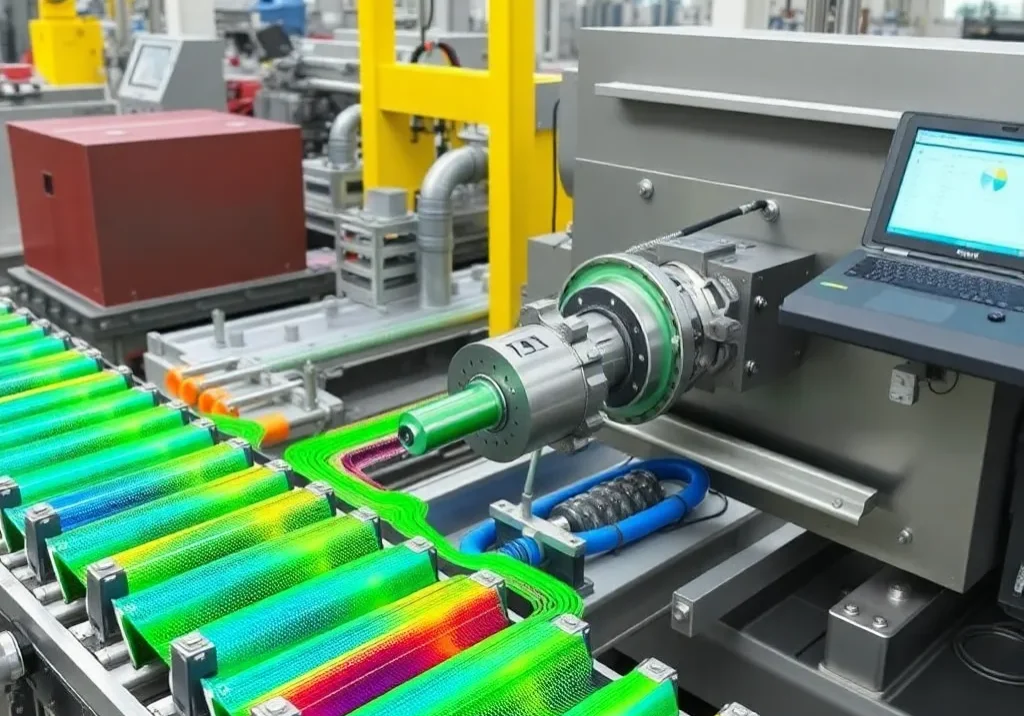
Energy & Power Generation

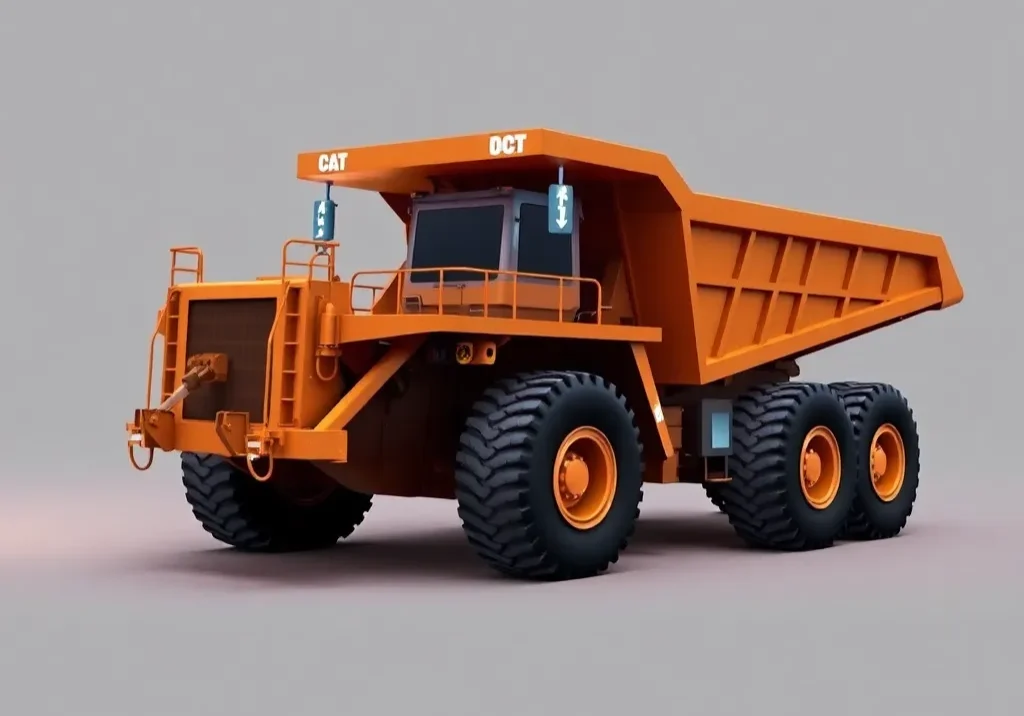
Heavy Equipment
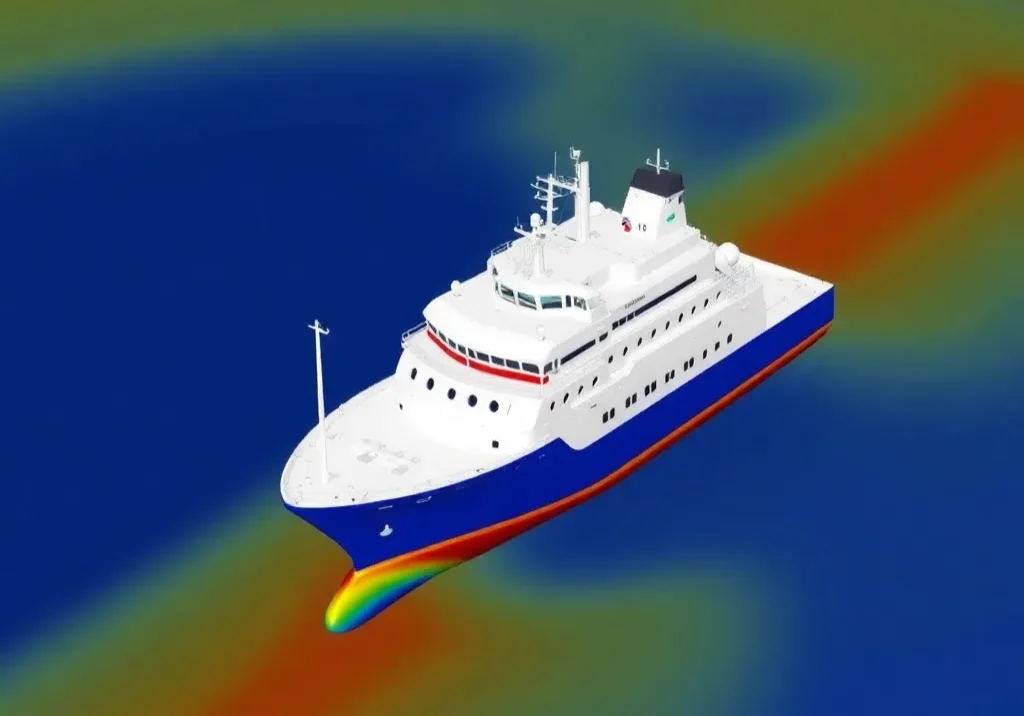
Marine & Shipbuilding
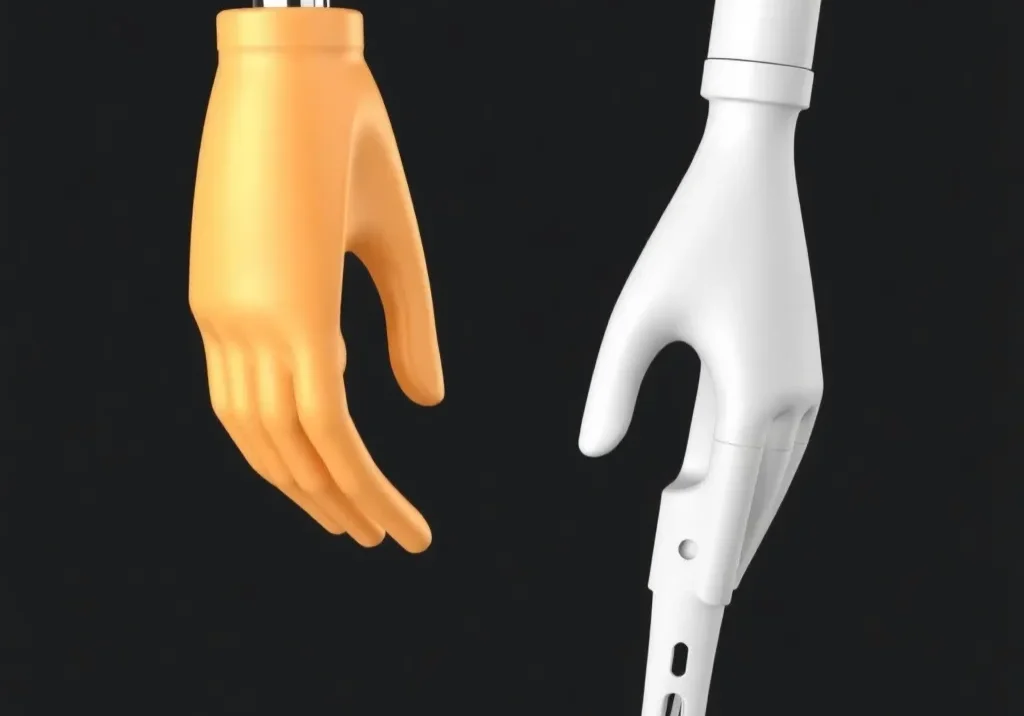
Sporting Goods & Equipment

Medical Device Design
Automation & Manufacturing

Relevant FAQs
Yes, it is specifically designed for simulating multi-body dynamics in mechanical systems.
Yes, it integrates seamlessly with Ansys Mechanical for full-body simulations with structural analysis.
Yes, it captures vibration responses in mechanical systems under various loading conditions.
Yes, it accurately simulates gear meshing, bearing reactions, and frictional forces.
It simulates both rigid and flexible bodies, with flexibility captured via modal analysis.
Yes, it supports time-dependent motion analysis for transient simulations.
Yes, it can simulate and optimize control systems in mechanical and electromechanical systems.
Ready to unlock the full potential of Ansys Motion?
Discover the power of Ansys Motion for simulating dynamic behaviors and analyzing complex multi-body systems.