Ansys Zemax

Comprehensive Lens and Imaging System Simulation

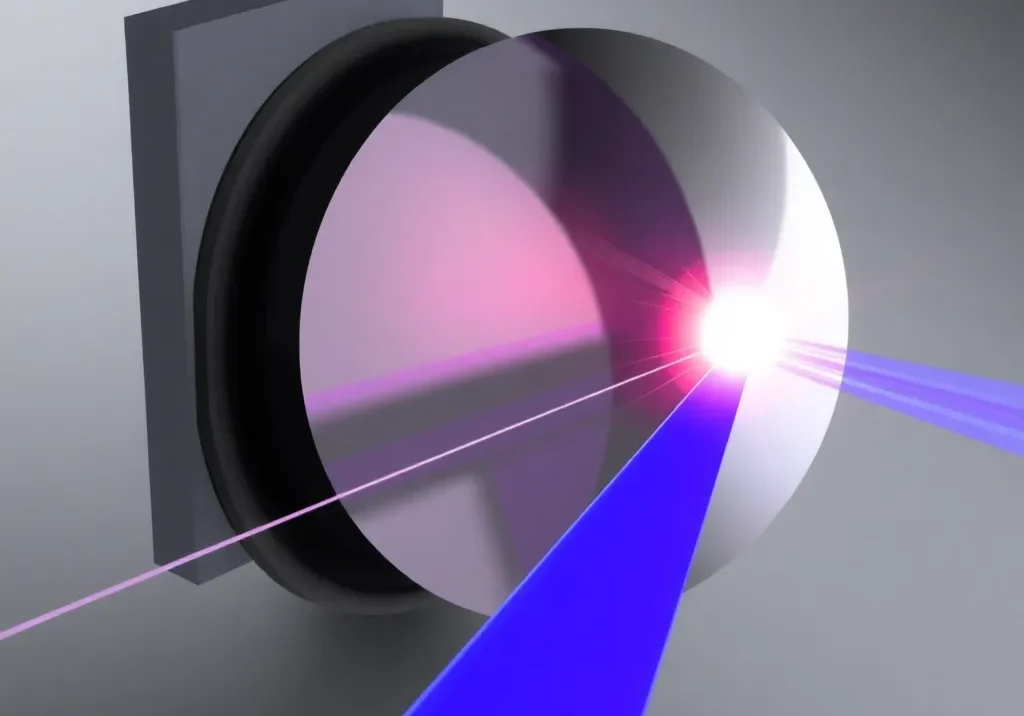
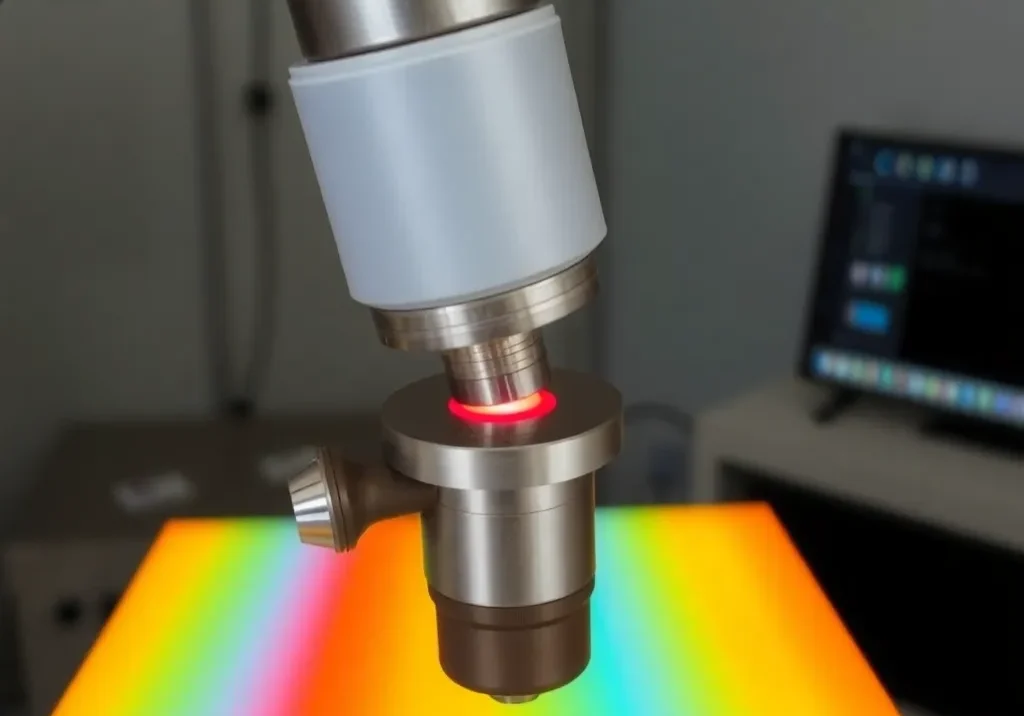
Ansys Zemax is a leading optical design software for modelling, analysing, and optimizing imaging systems and lenses. It helps optical engineers create designs that meet performance, manufacturability, and cost goals.

Using ray tracing, wavefront analysis, and tolerance optimization, Zemax enables end-to-end optical system simulation. It is extensively applied in medical devices, cameras, AR/VR, and laser systems, ensuring precise optical performance and manufacturable designs.

What's in it for Engineers


Optical Design Optimization: Zemax offers advanced tools for simulating and optimizing optical systems such as lenses, camera systems, and light guides, enabling engineers to achieve superior performance in areas like resolution, distortion, and light efficiency.


Fast Prototyping and Validation: Engineers can quickly prototype and validate optical designs in a virtual environment, significantly reducing the need for costly physical prototypes and accelerating time-to-market.


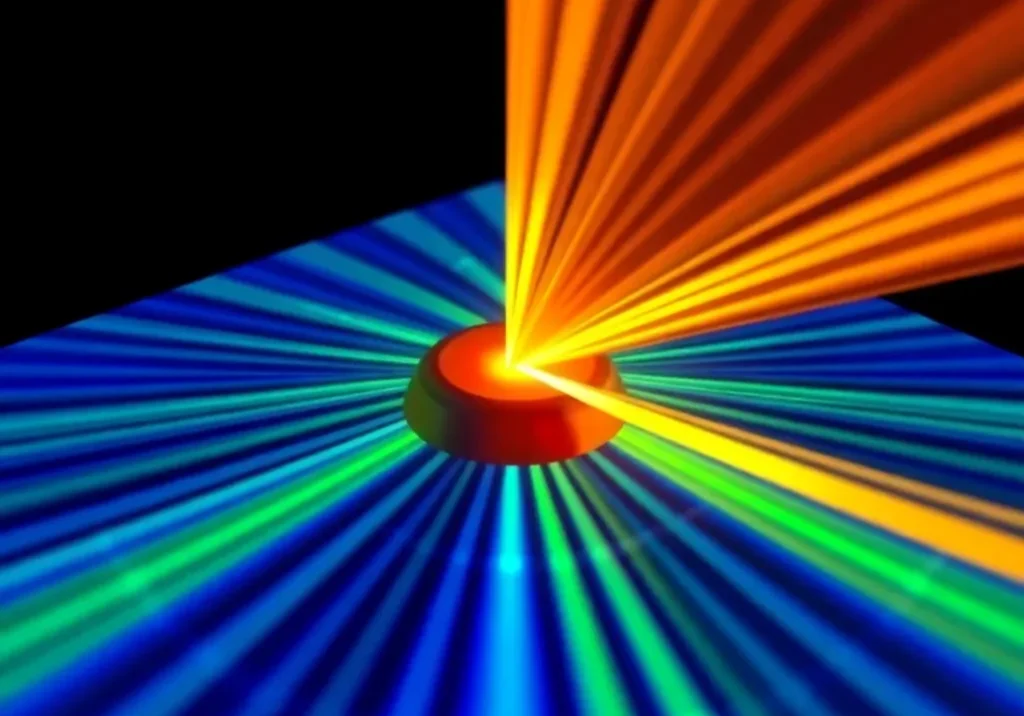
Advanced Ray Tracing: Zemax utilizes ray tracing to provide accurate simulations of how light interacts with surfaces, ensuring that engineers can predict and improve the performance of optical components in real-world scenarios.


Integration with Multiphysics: Zemax seamlessly integrates with other Ansys tools for thermal and mechanical simulations, allowing engineers to optimize designs not only for optical performance but also for thermal management and structural integrity.

 

2025_12_04_10_13_25_663_732756

Featured Applications 

Ansys Zemax is a leading optical design software that enables the simulation, optimization, and analysis of optical systems. It’s widely used across industries such as aerospace, automotive, healthcare, and consumer electronics to create high-performance optical systems.

Lens Design
Precision Optics: Design high-precision lenses for applications such as cameras, microscopes, and telescopes.

Aspheric Lenses: Optimize aspheric lens designs to reduce aberrations and improve image quality.

Focal Length Adjustment: Simulate and optimize the focal length of lenses for specific applications.

2025_12_05_05_11_57_258_854714

Optical System Simulation

System-Level Optimization: Model and simulate complete optical systems to optimize performance before fabrication.

Multi-Component Systems: Analyze systems involving multiple optical elements (lenses, mirrors, prisms) for optimal configuration.

Ray Tracing: Use ray tracing to simulate light paths and refine system designs for clarity and efficiency.

2025_12_05_05_13_54_821_719819

Imaging and Display Systems

Camera Systems: Design and optimize imaging systems for high-resolution, low-distortion images.

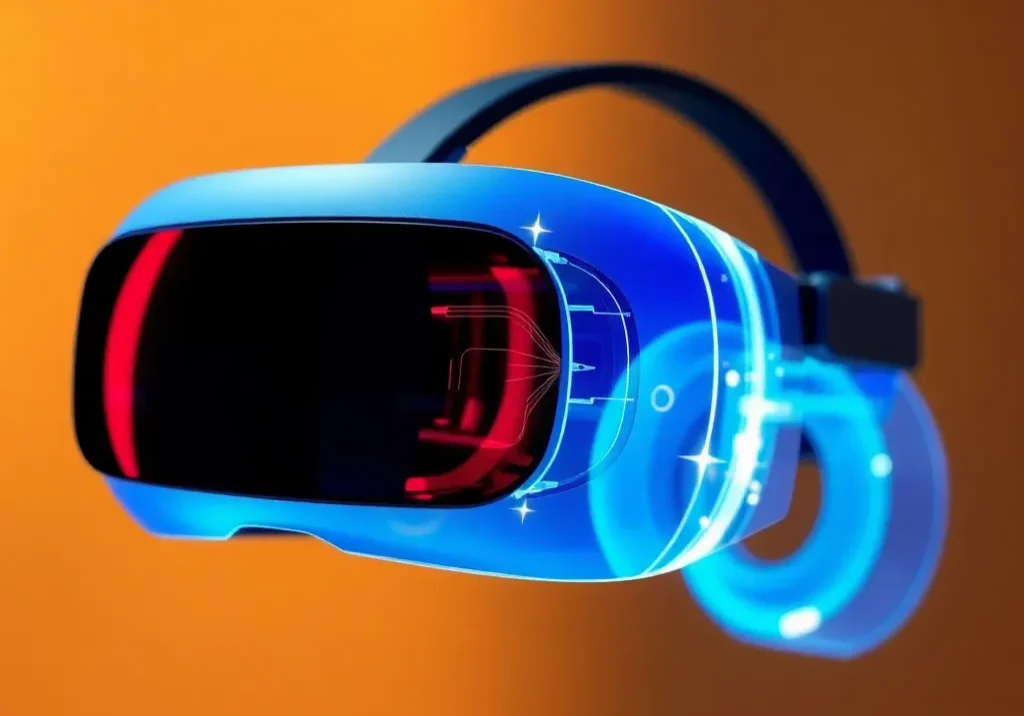
Projection Systems: Simulate and optimize projection systems for displays in devices like projectors, TVs, and AR/VR headsets.

Optical Performance in Displays: Improve brightness, contrast, and color uniformity in LCD, OLED, and other display technologies.

2025_12_05_05_15_48_539_335402

Laser System Design

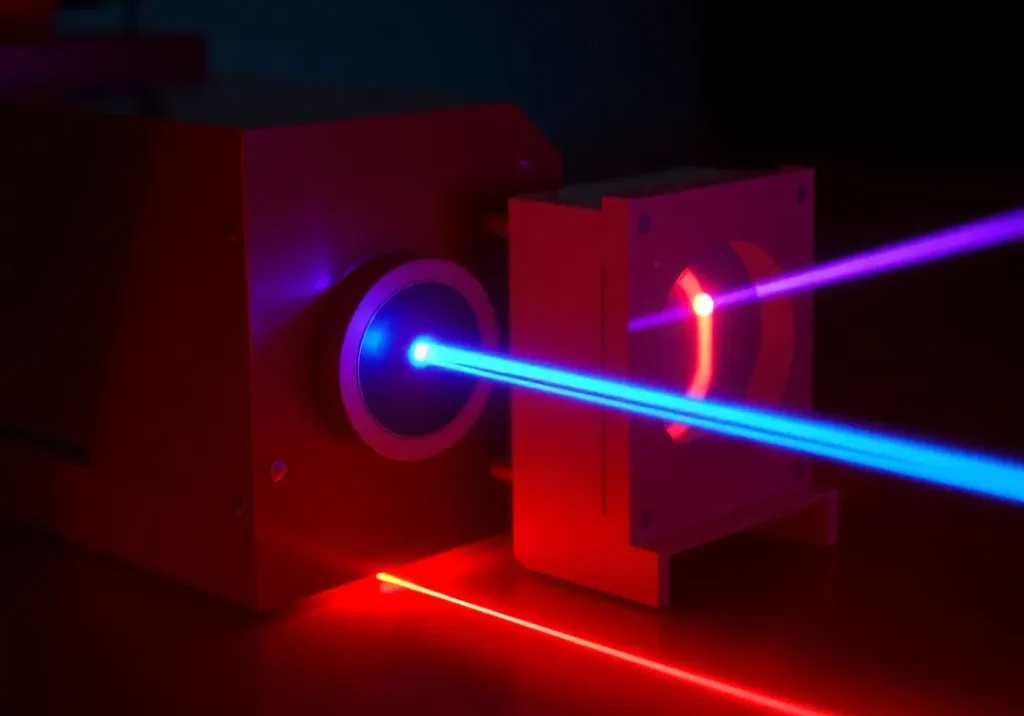
Beam Shaping: Design laser systems for beam shaping and focusing to meet specific application needs.

Laser Optics: Optimize optical components for laser systems to ensure high power delivery and accuracy.

Laser Scanning: Model and optimize scanning systems used in laser-based manufacturing, microscopy, and medical devices.

2025_12_05_05_17_31_929_127927

Lighting System Design

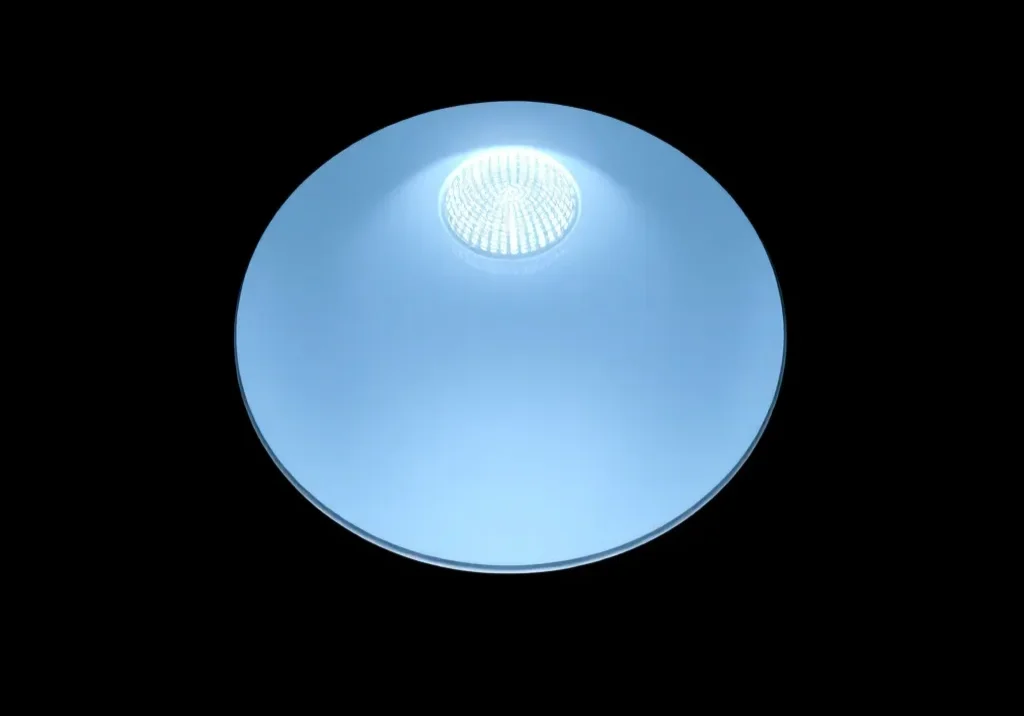
LED Optics: Design lighting systems using LEDs for applications like automotive lighting, street lighting, and architectural designs.

Illumination Uniformity: Optimize the distribution of light to achieve uniform illumination in various environments.

Optical Efficiency: Maximize the efficiency of lighting systems by optimizing the optical design of reflectors, lenses, and diffusers.

2025_12_05_05_19_43_320_847078

Optical Metrology

Measurement Systems: Design optical metrology systems for precise measurement and testing of materials and components.

Interferometry: Model and optimize interferometric systems for surface testing, alignment, and calibration.

Optical Testing: Simulate and optimize optical testing equipment for applications such as microscopy and spectrometry.

2025_12_05_05_21_23_361_548691

Optical Coatings and Materials

Thin Film Coatings: Simulate the design of thin film coatings for optical components, optimizing reflectivity and transmission.

Material Properties: Model and optimize the effects of different materials on optical performance (e.g., refractive index, absorption).

Antireflection Coatings: Design coatings to minimize reflections and improve the efficiency of optical systems.

2025_12_05_05_24_25_503_230711

AR/VR Optical Design

Headset Displays: Design optical components for augmented reality (AR) and virtual reality (VR) headsets to enhance user experience.

Waveguides: Optimize waveguides and lenses for displaying virtual images in AR/VR devices.

Optical Efficiency: Enhance the light efficiency and field of view for AR/VR displays for immersive experiences.

2025_12_05_05_26_07_519_934557

Biomedical Optics

Medical Imaging: Design optical systems for medical imaging devices such as endoscopes, optical coherence tomography (OCT), and microscopes.

Laser Surgery Systems: Simulate and optimize laser systems used in medical treatments like eye surgery and tissue ablation.

Diagnostics: Develop optical diagnostic systems that rely on precise light manipulation for accurate readings.

2025_12_04_10_29_32_718_817137

Space & Aerospace Optics

Satellite Optics: Design optical systems for space applications, such as telescopes, imaging systems, and communication devices.

Aerospace Sensors: Model and optimize optical sensors used in aerospace systems, ensuring reliability in extreme conditions.

Astronomical Instruments: Create optical instruments for telescopes and observatories, optimizing for clarity, resolution, and light collection.

2025_12_05_05_29_04_977_821510

Relevant FAQs 

Does Zemax support lens design? +

Yes, Zemax specializes in optical system design, including lenses, mirrors, and imaging systems.

Can Zemax model light propagation in optical systems? +

Yes, it models light propagation, diffraction, and reflection in complex optical systems.

Does Zemax support ray tracing for design validation? +

Yes, Zemax uses ray tracing to analyze light paths, optimize optical performance, and validate designs.

How does Zemax handle optical simulation for manufacturing? +

Zemax optimizes designs for manufacturability, including material selection and tolerances for production.

Can Zemax simulate 3D optical systems? +

Yes, it can model both 2D and 3D optical systems for various industries like aerospace and healthcare.

Does Zemax integrate with mechanical design tools? +

Yes, it integrates with CAD tools and other Ansys products to bridge optical and mechanical design.

How does Zemax help with optical performance optimization? +

Zemax optimizes optical performance by adjusting system parameters to achieve desired specifications.

Ready to unlock the full potential of Ansys Zemax?

Get a closer look at Ansys Zemax for optical design and simulation, offering unparalleled performance in light-ray tracing.
2025_12_30_12_53_12_694_959471
We’re Online! How may I help you today?