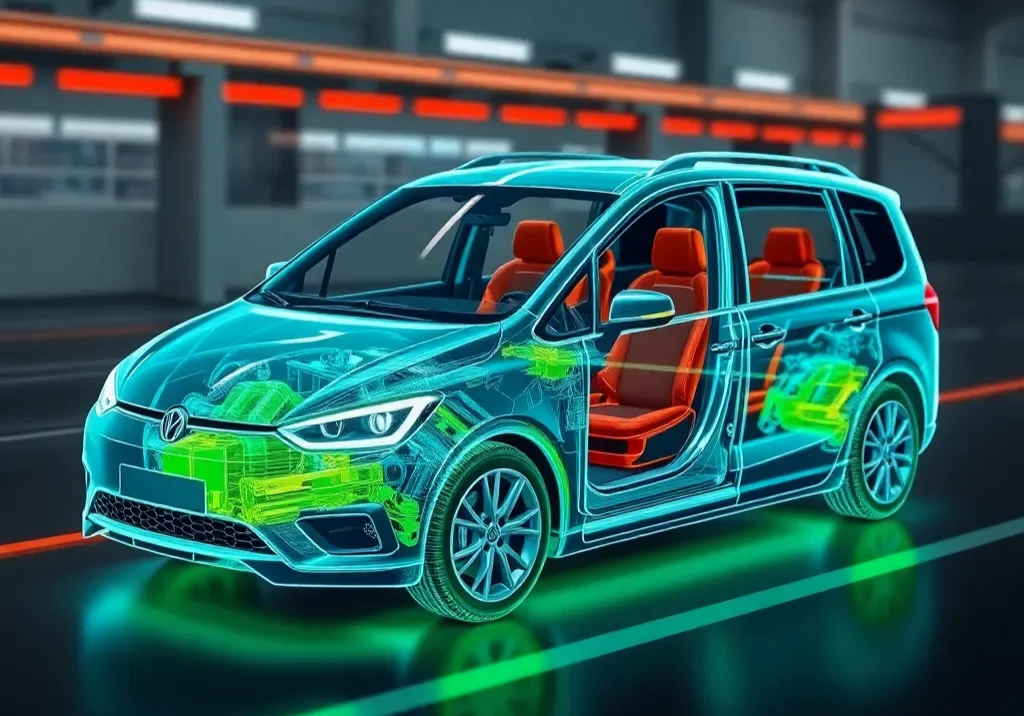
Core Ansys Solutions for Automotive Industry
The automotive industry is undergoing a profound transformation. The push for sustainability, coupled with the need for more efficient manufacturing and vehicle performance, demands advanced simulation capabilities. Ansys helps automotive manufacturers navigate these challenges by providing solutions that streamline the design process, optimize vehicle components, and ensure systems meet the toughest performance standards.
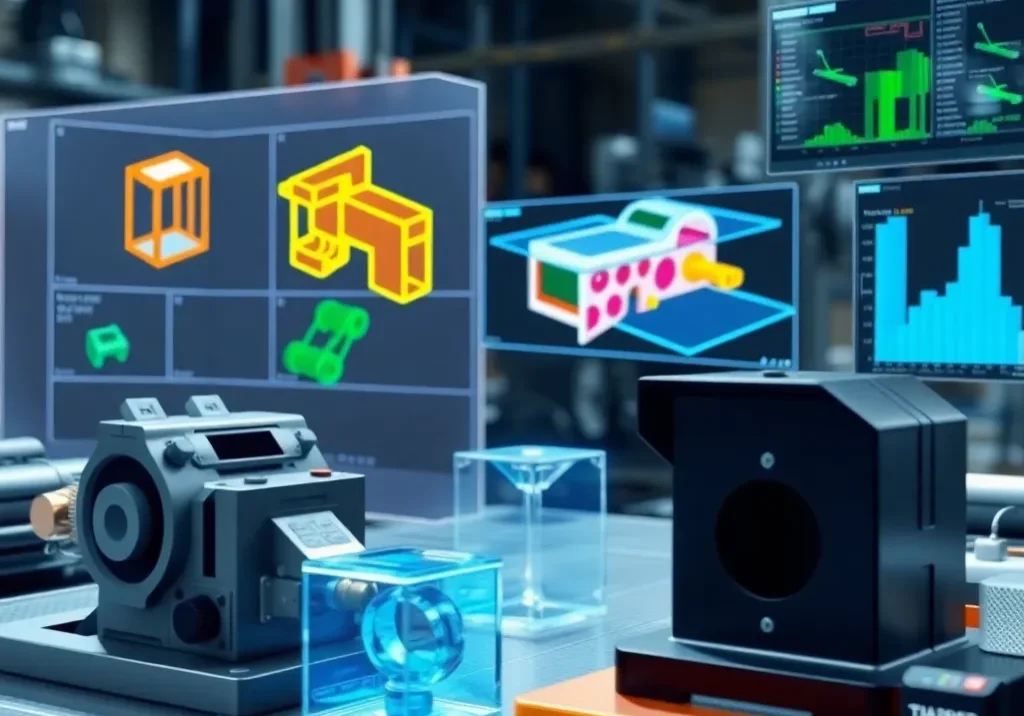
AI & Machine Learning for Smart Automotive Systems
Artificial Intelligence (AI) is revolutionizing the way we design, test, and optimize vehicles. From autonomous driving systems to predictive maintenance and connected vehicle platforms, AI and machine learning enable better decision-making and more efficient design.
Ansys solutions incorporate AI and machine learning to:
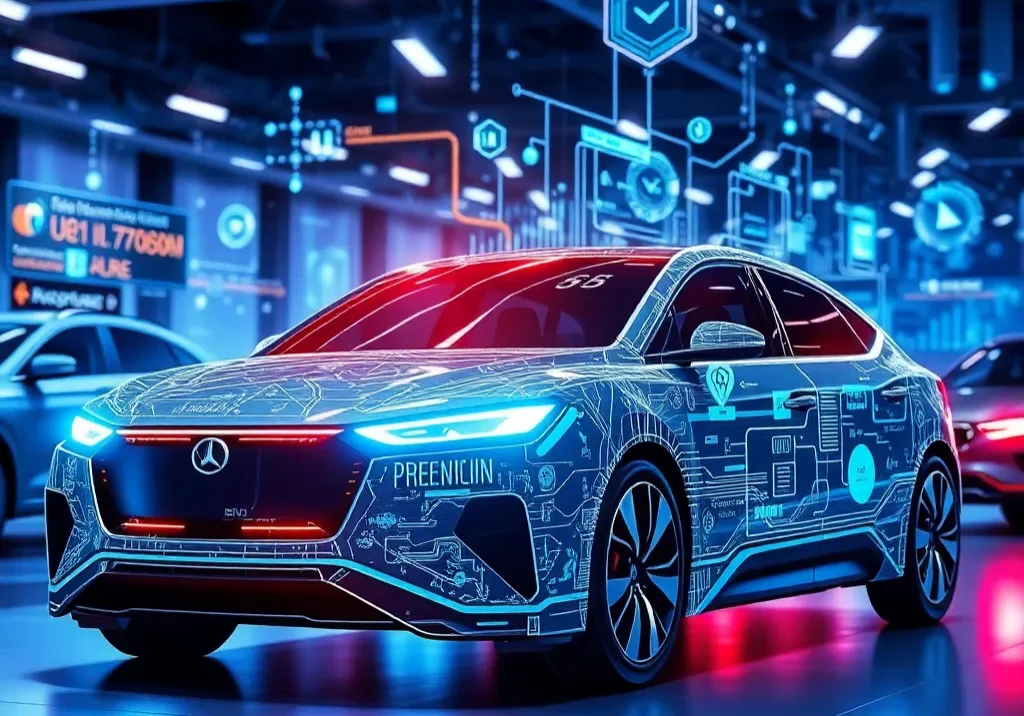
By integrating AI/ML into simulation workflows, automotive companies can create smarter, more reliable, and energy-efficient vehicles.
Vehicle Aerodynamics & Performance Optimization
In a world where fuel efficiency and high-performance vehicles are paramount, vehicle aerodynamics plays a crucial role. Ansys provides powerful tools for simulating airflow around vehicles to reduce drag and optimize performance.
With Ansys CFD (Computational Fluid Dynamics), automotive engineers can:
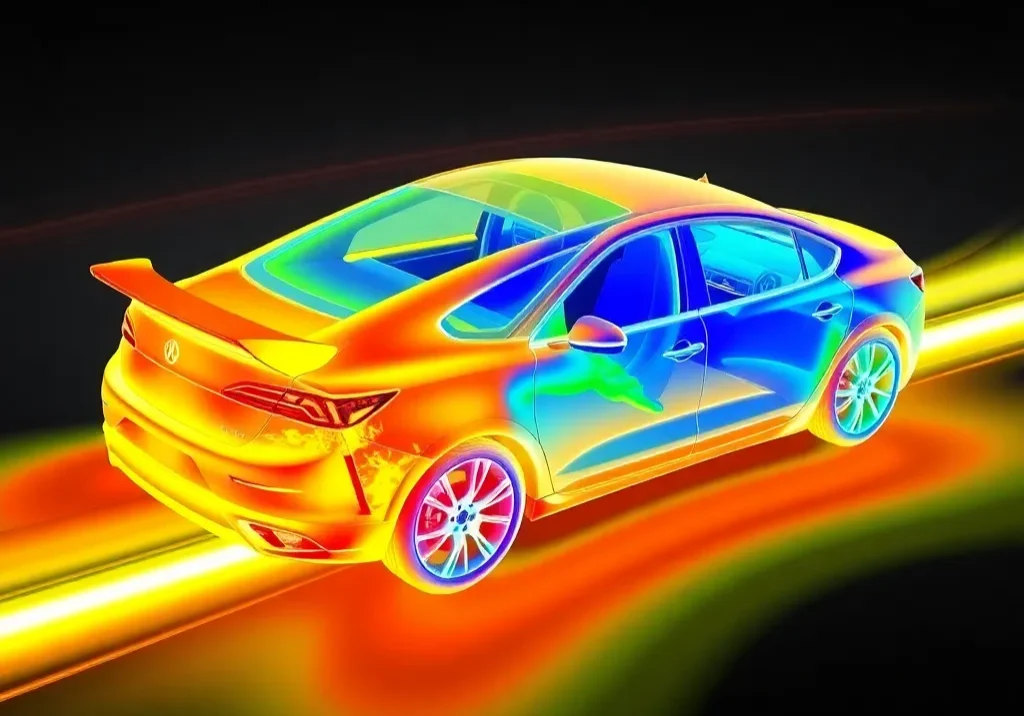
Whether you're designing race cars or everyday passenger vehicles, Ansys helps ensure that aerodynamics are optimized for both performance and sustainability.
Battery & Thermal Management for Electric Vehicles
Battery performance and thermal management are critical factors in electric vehicle design. Effective thermal solutions ensure battery life, performance, and safety while maximizing range and energy efficiency.
Ansys thermal tools enable you to:
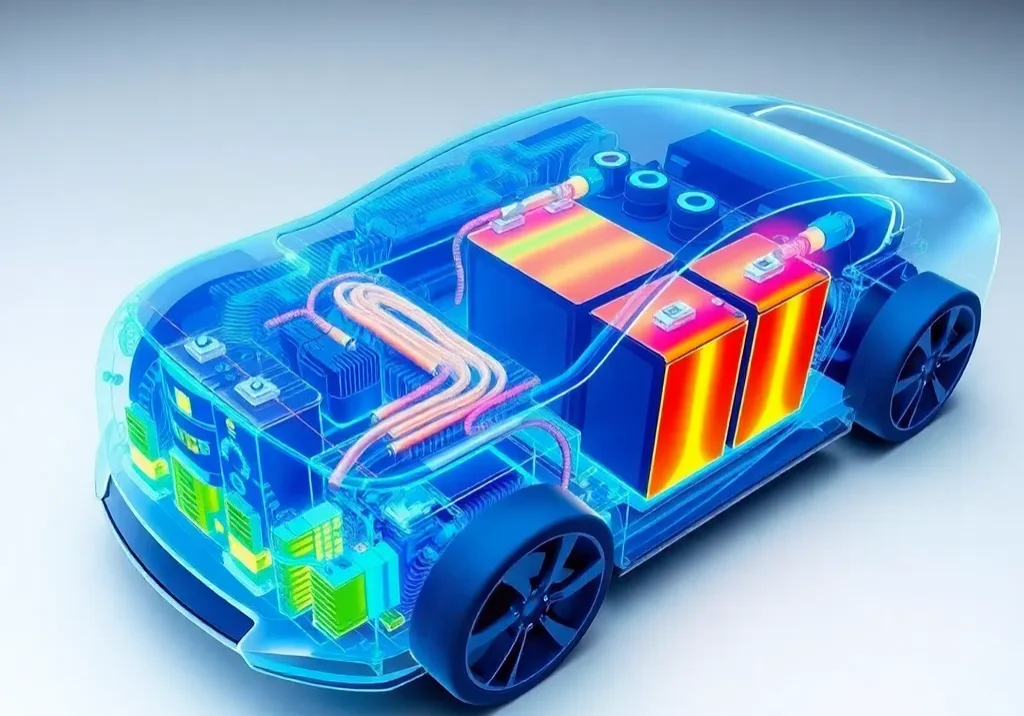
With Ansys, EV manufacturers can create battery systems that are not only energy-efficient but also long-lasting and safe.
Crash Safety & Structural Integrity
Ensuring the safety of passengers and pedestrians is a top priority for automotive manufacturers. Ansys provides advanced simulation capabilities to test vehicle structures for crashworthiness and impact resistance under various conditions.
Key solutions include:

With Ansys, automotive companies can enhance the safety of their vehicles, ensuring compliance with global safety regulations and exceeding consumer expectations for protection.
Sustainability in Automotive Design
Sustainability is at the forefront of automotive innovation, driven by consumer demand and government regulations. From electric vehicle (EV) design to sustainable manufacturing processes, Ansys supports automotive companies in making greener, more energy-efficient choices.
Ansys sustainability solutions focus on:

By incorporating sustainability into every stage of the design process, Ansys helps automotive companies create vehicles that are both environmentally friendly and high-performing.
Design Consultancy Capabilities
Advanced Powertrain & Energy Systems Design
Designing powertrains that balance performance, energy efficiency, and sustainability is key to automotive innovation. Our team specializes in simulating and optimizing:
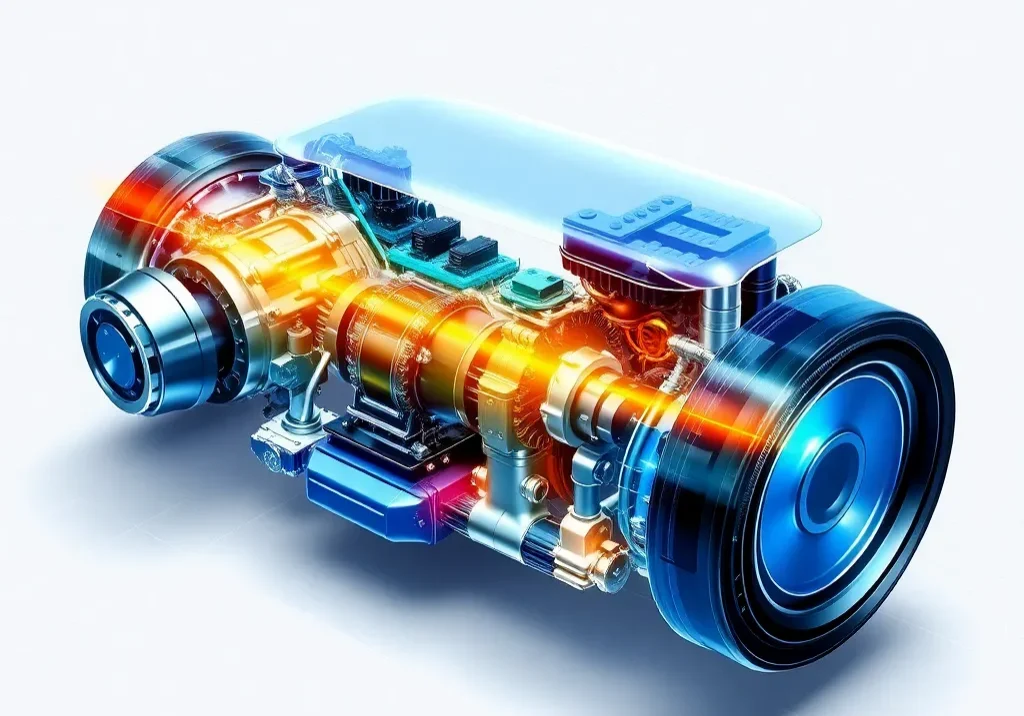
Ansys tools help automotive engineers balance performance, efficiency, and environmental impact while ensuring compliance with global standards.
Multiphysics Simulation for Vehicle Systems
Modern vehicles rely on the seamless integration of multiple systems, including powertrains, suspension, and HVAC systems. Ansys multiphysics simulations enable you to:
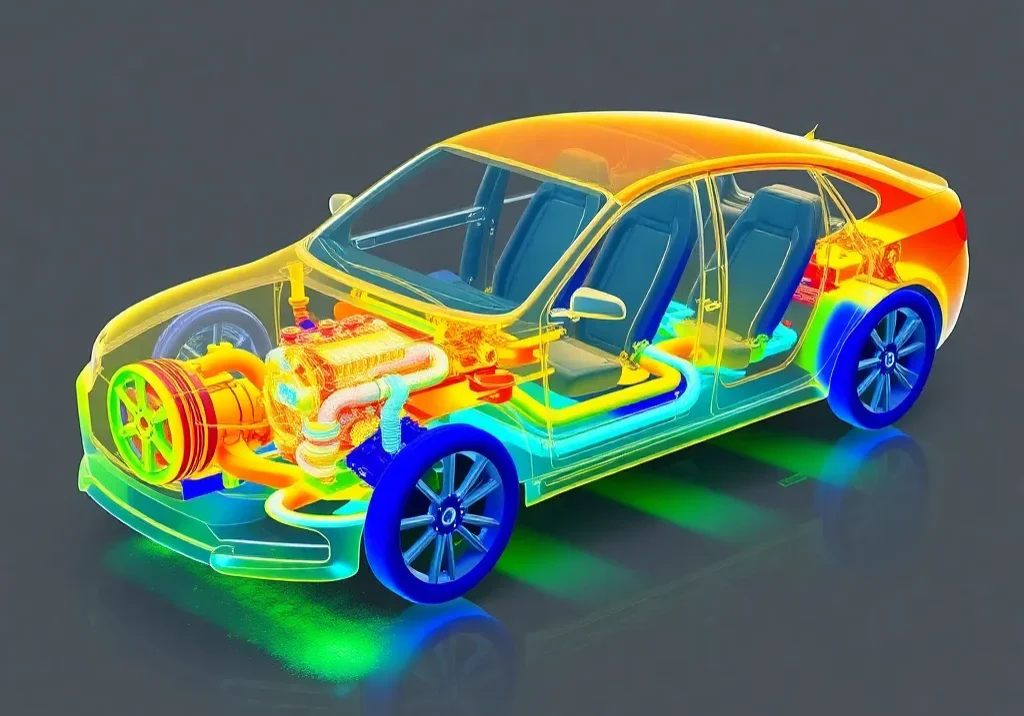
Our multiphysics simulations offer a comprehensive approach to vehicle design, allowing you to ensure that all components work together harmoniously for optimal performance.
Virtual Prototyping & Testing
Reduce time-to-market and enhance product quality by moving from traditional physical prototypes to digital validation. With Ansys, you can:
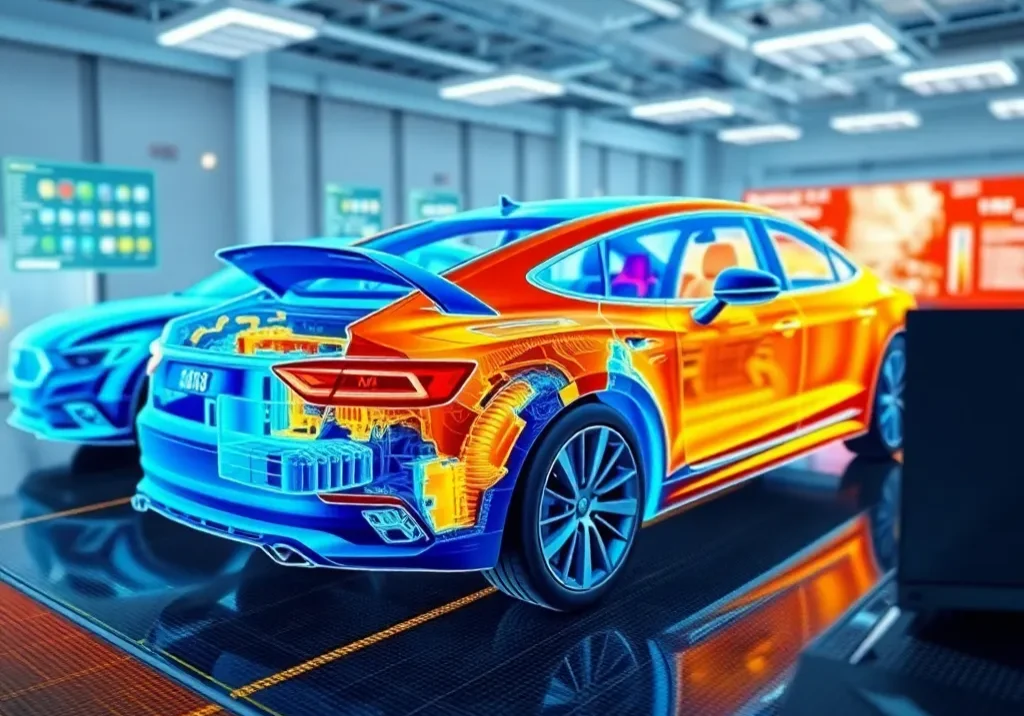
Virtual prototyping with Ansys allows automotive manufacturers to speed up the development process while improving product reliability and performance.
Workflow Automation & AI Integration
Automate key processes and improve design efficiency using AI-driven simulation workflows. Ansys helps you:

Area of Service
Advanced Materials & Technologies
We explore the latest materials and manufacturing technologies to improve vehicle strength, weight, and durability. From lightweight composites to advanced alloys, we help you choose the right materials for optimal performance and safety.
Electric Vehicles (EVs) & Battery Electric Vehicles (BEVs)
From battery management and thermal optimization to lightweighting and aerodynamics, Ansys helps EV manufacturers create high-performance electric vehicles with longer range and faster charging times while reducing environmental impact.
Autonomous & Connected Vehicles
As autonomous driving becomes a reality, Ansys supports the design and validation of perception systems, AI-based control algorithms, and connected vehicle platforms to ensure safety, reliability, and performance.
Internal Combustion & Hybrid Powertrains
Ansys tools are used to optimize traditional internal combustion engines (ICE) as well as hybrid powertrains for greater fuel efficiency, reduced emissions, and improved overall vehicle performance.
Autonomous Driving & ADAS (Advanced Driver Assistance Systems)
Design, test, and validate autonomous driving systems, from sensor integration (lidar, radar, cameras) to AI-based control systems, ensuring safe and reliable autonomous operations.
Automotive Manufacturing & Assembly
Streamline production and assembly processes, from lightweight materials to high-precision components, using Ansys tools to optimize production processes and ensure the highest standards of quality control.
Our Valued Clients & Collaborators
Engineering teams and organizations that have partnered with SolidTrust for software solutions and advanced simulation support.




















Relevant FAQs
Yes, Ansys Fluent models in-cylinder combustion, knock, soot, and NOx formation with accurate chemistry.
Yes, it captures heat transfer from engine, exhaust, and cooling systems to optimize airflow and temperature distribution.
Yes, Fluent computes full-vehicle external flow including ground effects, wheel rotation, and wake behavior.
Yes, it accurately handles material plasticity, contact deformation, and high-speed collision events.
Yes, Ansys Sound and Mechanical simulate noise, vibration, and harshness (NVH) for interior comfort optimization.
Yes, it predicts life cycles under variable loading and road vibration conditions.
Yes, Ansys Speos accurately models lens systems, light scattering, glare, and sensor response for ADAS and autonomous vehicles.
Yes, Ansys HFSS and SIwave simulate EMI/EMC behavior across power electronics and wiring harnesses.
Yes, coupled thermal–structural analysis predicts temperature gradients and deformation during braking cycles.
Yes, Ansys Fluent and Mechanical assess cell heating, venting, and propagation control for EV battery safety.
Drive smarter, faster, and cleaner designs.
Collaborate with SolidTrust Technologies to optimize vehicle performance, safety, and efficiency with cutting-edge simulation tools.