Multiphysics

Unlock Innovation and integration with Ansys Multiphysics Simulation

Seamlessly integrate structural, fluid, thermal, electromagnetic, and acoustic analyses to solve complex engineering challenges. Predict real-world performance, optimize designs, and accelerate product development across industries

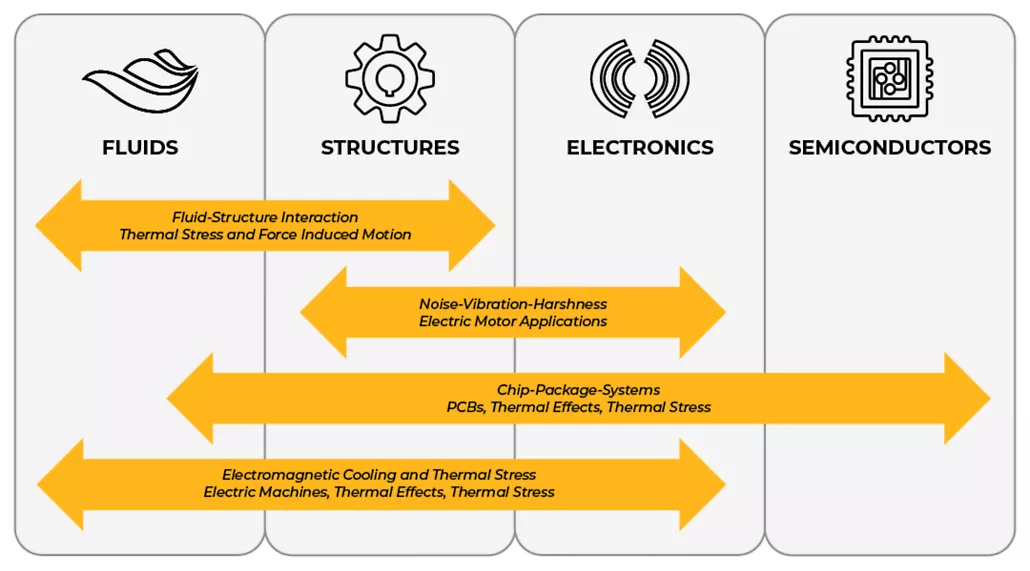
Ansys Multiphysics is a comprehensive simulation platform that enables engineers and enterprises to analyze, validate, and optimize components under multiple interacting physics. Whether it’s fluid-structure interaction, thermal-electromagnetic effects, or vibration-acoustic coupling, Ansys Multiphysics provides powerful tools. Engineers can predict real-world performance, minimize physical prototypes, reduce costs, and accelerate product development cycles.

Highlights of Multiphysics Simulation

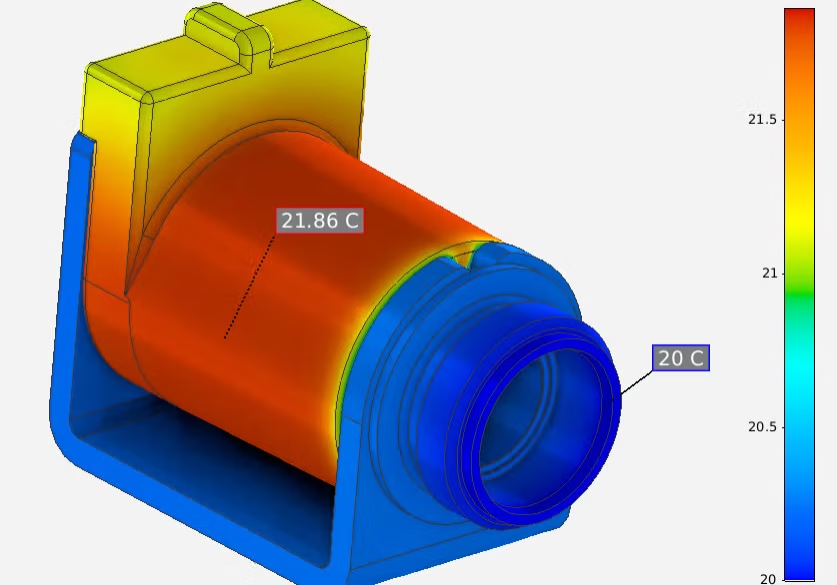
Thermal–Structural Coupling

Predict how temperature variations impact structural behavior and material performance under real operating conditions.

Key Capabilities:

Evaluate thermal stresses, expansion, and deformation

Simulate temperature-dependent material properties

Coupled analysis with fluid or electromagnetic domains

Benefits

Ensure structural integrity under thermal loads

Reduce costly physical testing

Optimize designs for thermal resilience

17-10-2023-1697543526-project_overview

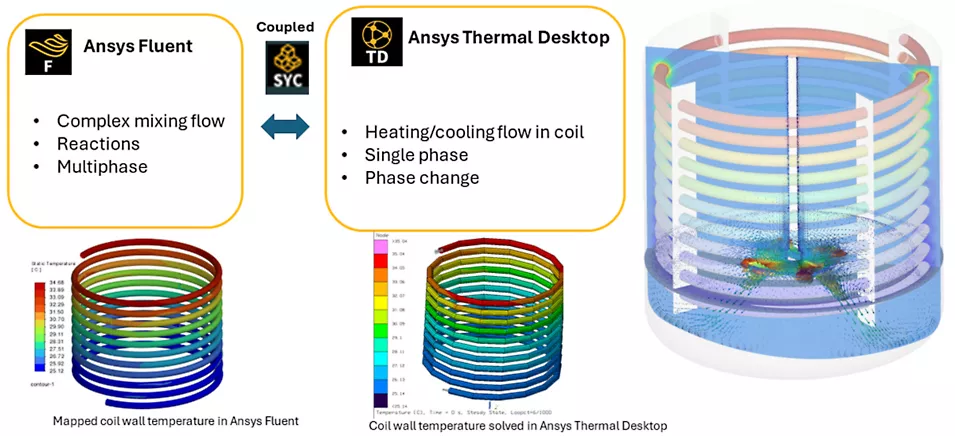
Fluid–Thermal Coupling

 Analyze how fluid flow and heat transfer interact to affect system performance.

Key Capabilities:

Steady and transient flow with conduction, convection, and radiation

Multiphase and turbulent flow modeling

Predict fluid-induced thermal stresses

Coupled CFD and heat transfer simulations

Benefits

Prevent overheating and material degradation

Improve product reliability and lifespan

Enhance cooling and energy efficiency

figure-12-2

Fluid–Structure Interaction (FSI)

 Simulate interactions between moving fluids and flexible structures.

Key Capabilities:

Analyze pressure loads on elastic structures

Capture vortex-induced vibrations and flow-induced oscillations

Support one-way and two-way FSI analysis

Coupled fluid and structural dynamic simulations

Benefits

Prevent resonance and structural failures

Optimize lightweight, high-performance designs

Reduce overengineering and material costs

Fluid-flow-path-and-obstacle-deformation-by-flow

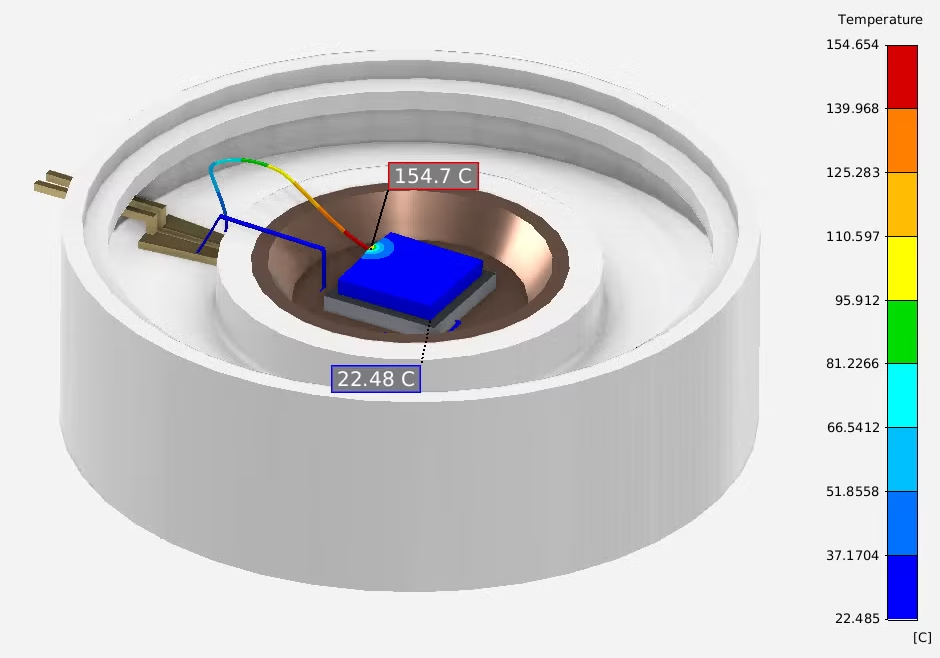
Electromagnetic–Thermal Coupling

Evaluate the impact of electromagnetic fields on temperature and material behavior.

Key Capabilities:

Joule heating and induction heating analysis

Coupled thermal effects on structural or fluid domains

Coupled thermal effects on structural or fluid domains

High- and low-frequency electromagnetic simulations

Benefits

Ensure EM device reliability under thermal loads

Predict hotspots and material degradation

Optimize design for performance and efficiency

hvg405

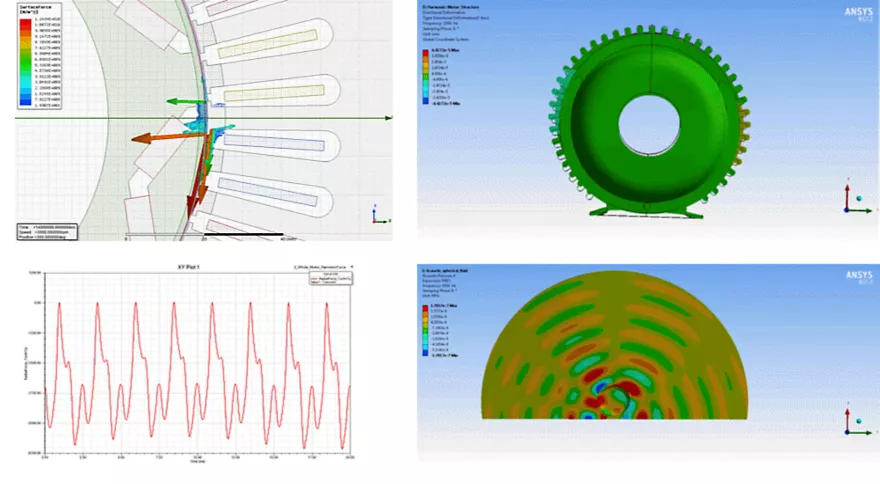
Electromagnetic–Structural Coupling

Predict structural responses due to electromagnetic forces in devices and systems.

Key Capabilities:

Lorentz force and magnetic pressure simulations

Structural deformation under EM loads

Coupled static and dynamic analyses

Supports rotating machinery and actuators

Benefits

Prevent mechanical failures in EM devices

Ensure safe and efficient operation

Reduce prototyping and testing costs

hvg404

Acoustic–Structural Coupling

 Simulate vibrations and sound propagation to optimize acoustic performance.

Key Capabilities:

Modal, harmonic, and transient acoustic-structural analysis

Noise, vibration, and harshness (NVH) prediction

Coupled fluid-acoustic interactions

Evaluate resonance and damping strategies

Benefits

Reduce noise and vibration issues

Improve comfort and structural safety

Enhance product performance in real-world conditions

2021-03-motor-noise-composite

Optimization & Multiphysics Topology Analysis

Achieve the best balance between performance, weight, and material efficiency across multiple physics.

Key Capabilities:

Shape, size, and topology optimization under multiphysics loads

Parametric studies across coupled domains

Apply constraints for strength, thermal, or vibration targets

Seamless CAD integration for design refinement

Benefits

Minimize material usage and weight

Enhance performance and durability

Accelerate innovation while reducing costs

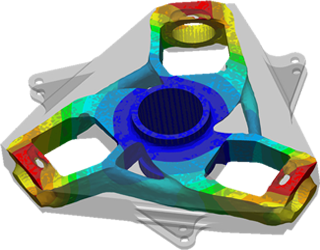
topology-weight-load-optimization-320x250

Applications Across Industries

Multiphysics simulations are essential across aerospace, automotive, energy, electronics, industrial equipment, and consumer products — from advanced aerospace components to smart energy systems and electronics reliability.
At SolidTrust Technologies, we customize Ansys Multiphysics solutions to address each industry’s complex, coupled physics challenges.

Relevant FAQs 

Can I perform coupled simulations across multiple physics domains? +

Yes, Ansys Multiphysics enables structural, thermal, fluid, and electromagnetic interactions in a single platform.

Does it support thermal-structural and fluid-structure interactions (FSI)? +

Absolutely, you can simulate thermal loads, pressure effects, and real-world coupled responses.

Can I optimize designs under multiphysics conditions? +

Yes, Ansys provides optimization tools to enhance performance while reducing material usage and cost.

Is it suitable for high-frequency electromagnetic and acoustic analysis? +

Yes, you can perform HFSS and acoustic coupling simulations to predict real-world behavior

Can complex assemblies be validated under combined physics? +

Yes, Ansys Multiphysics handles multi-component systems and interfaces for realistic analysis.

Can Ansys Multiphysics simulate real-world environmental effects? +

Yes, it models thermal, fluid, structural, and electromagnetic interactions.

Does Ansys Multiphysics handle time-dependent simulations? +

Yes, it supports transient and steady-state multiphysics analyses.

Success Stories

Ready to explore the full potential of Ansys Multiphysics Simulation?

Get expert guidance, pricing, and training from SolidTrust Technologies, your trusted Ansys partner in South India.
multiphysics-model-2
We’re Online! How may I help you today?