Ansys Speos

Optical Simulation for Lighting and Human Vision

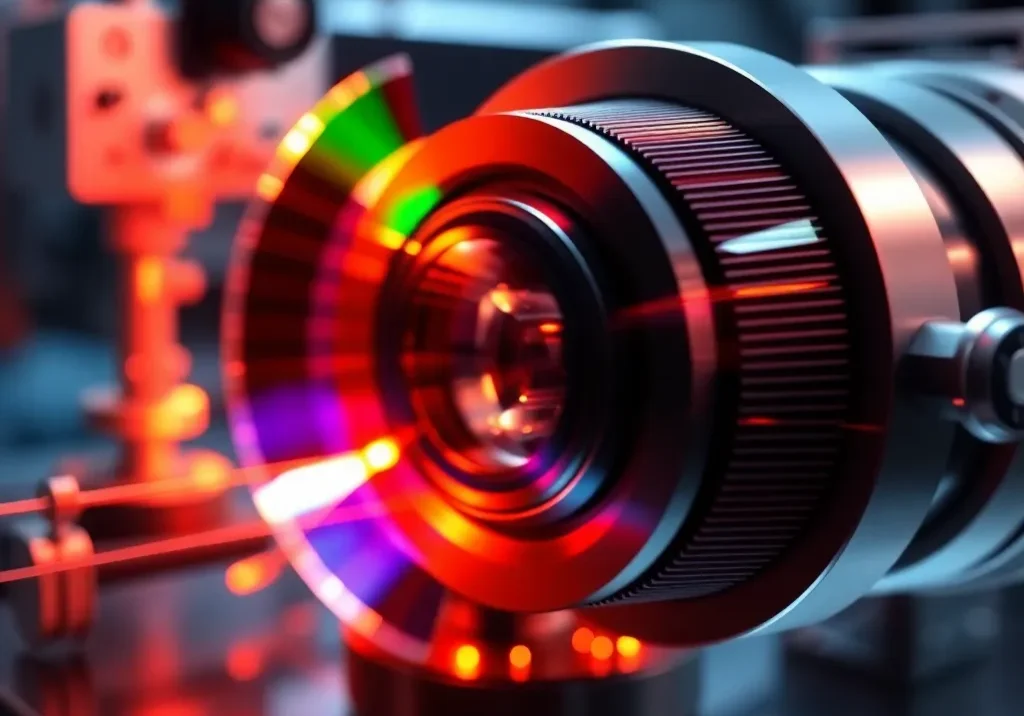
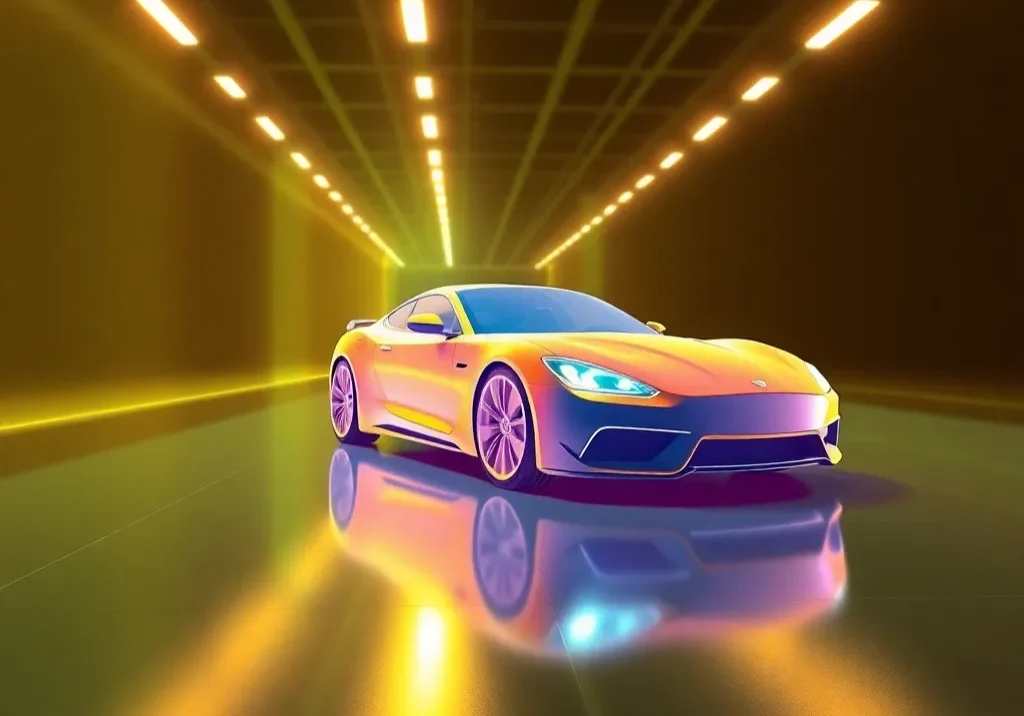
Ansys Speos provides physics-based simulation of light propagation to design and optimize optical systems. It allows engineers to visualize light behaviour, illumination patterns, and human vision perception in realistic environments.

With powerful ray-tracing and photometric analysis, Ansys Speos enables accurate evaluation of lighting systems, headlamps, displays, and sensors. It’s widely used in automotive, aerospace, and consumer electronics for achieving both performance and aesthetic excellence.

What's in it for Engineers

Optical Design Optimization: Speos enables engineers to simulate and optimize lighting systems, ensuring uniform illumination and optimal light distribution for automotive, industrial, and consumer product applications.


Advanced Light Simulation: Speos allows for detailed ray tracing and optical performance analysis, helping engineers design components like headlights, displays, and lenses with high precision and reduced light wastage.


Realistic Visualization: Engineers can visualize the real-world behavior of light in products, enhancing aesthetic appeal while also ensuring functional performance like glare reduction, visibility, and energy efficiency.


Thermal and Mechanical Integration: With integrated thermal and mechanical analysis, Speos helps engineers ensure that light sources such as LEDs or lasers maintain optimal performance without overheating or causing mechanical issues.
2025_12_04_10_13_25_663_732756

Featured Applications 

Ansys Speos is a powerful optical simulation tool used to design and optimize lighting and optical systems. It enables engineers to simulate the behaviour of light in real-world environments, enhancing the performance and aesthetics of products. 

Automotive Lighting Design
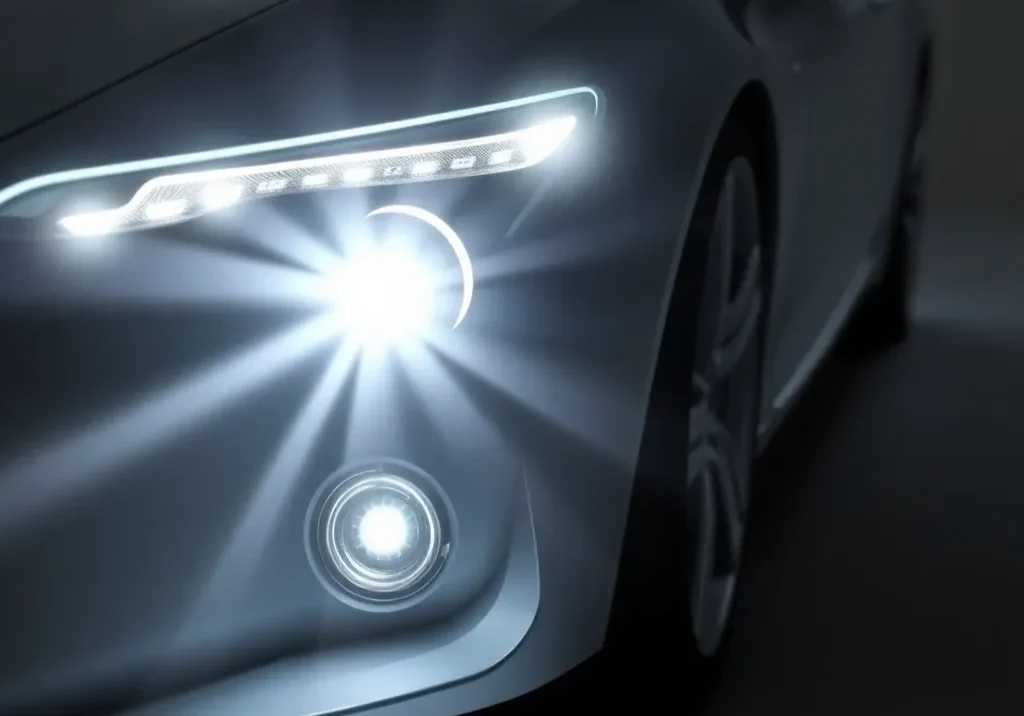
Headlamp Simulation: Simulate and optimize vehicle headlamps for improved visibility and safety.

Interior Lighting: Design and simulate lighting for vehicle interiors, ensuring comfort and aesthetics.

Light Distribution: Optimize light distribution to meet regulatory standards and improve driving conditions.

2025_12_04_10_16_25_519_761966

LED Lighting Systems

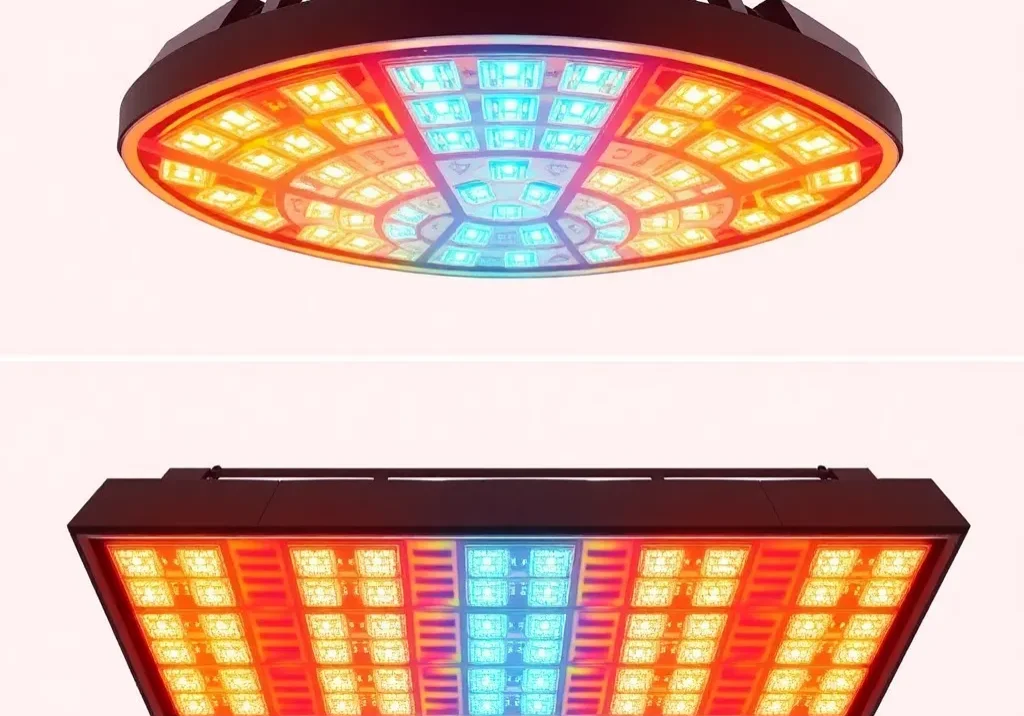
LED Optical Performance: Simulate LED light output and optimize light uniformity for various applications.

Heat Management: Analyze thermal effects on LED performance to prevent overheating and ensure long life.

Color Rendering: Simulate and enhance color rendering properties of LEDs to improve visual quality.

2025_12_04_10_17_56_451_462546

Head-Up Displays (HUD)

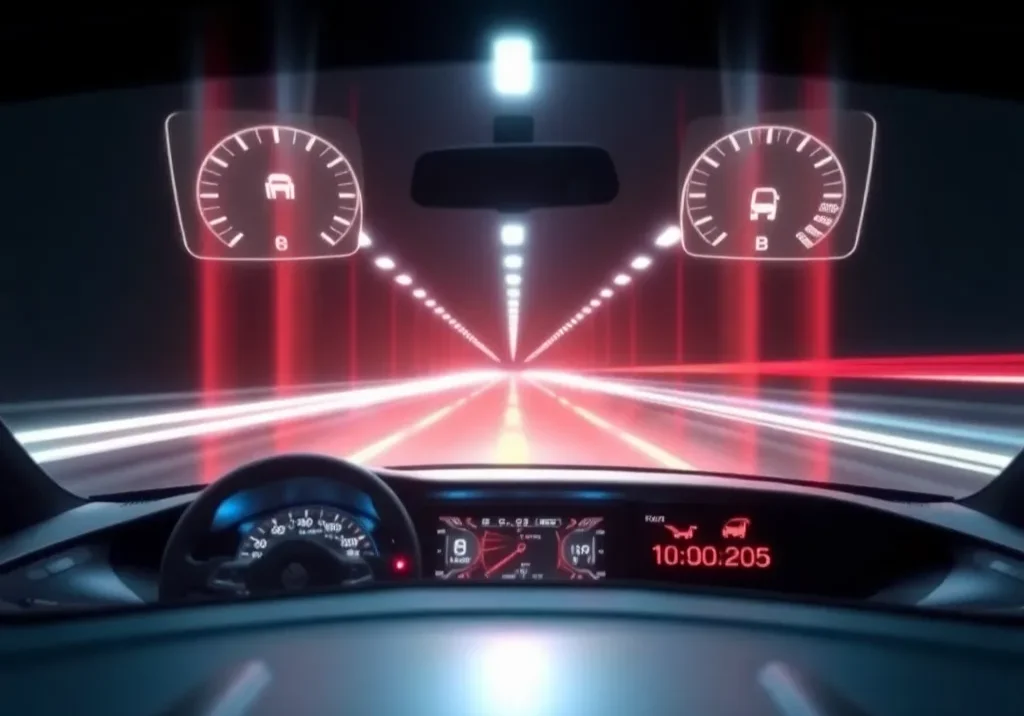
HUD Simulation: Model the behavior of light in head-up displays for automotive and aerospace applications.

Optical System Design: Design the optical components for clear, bright, and safe HUD displays.

Projection and Reflection: Simulate how light projects and reflects to optimize user experience.

2025_12_04_10_19_33_457_554882

Display and Visualization Systems

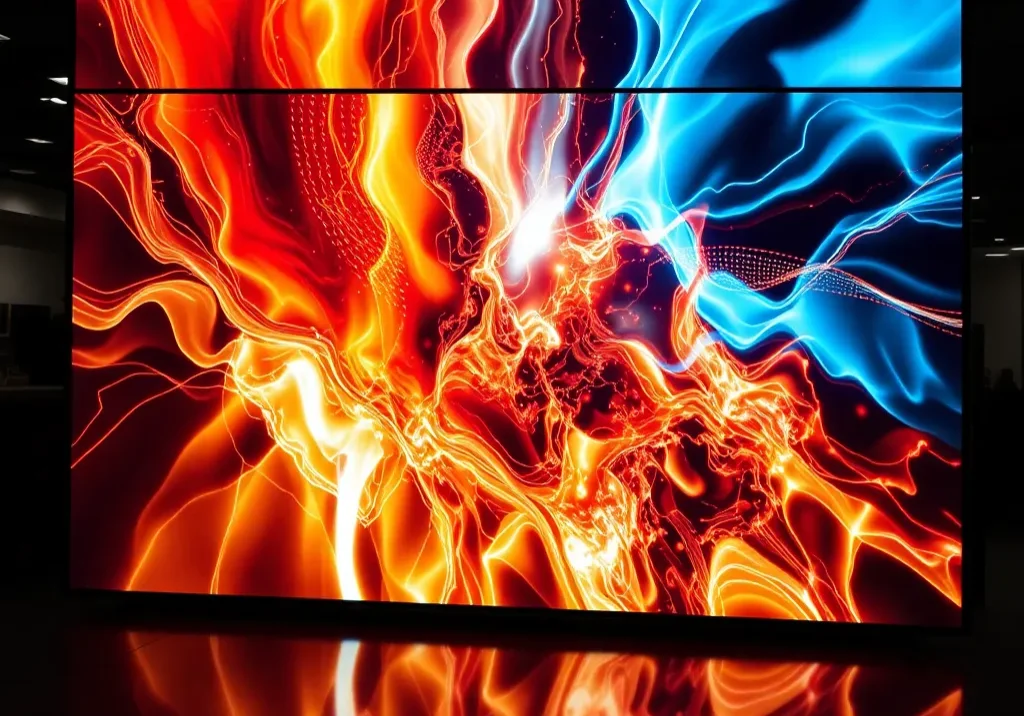
Optical Design for Displays: Simulate the light behavior in displays such as LCDs, OLEDs, and touchscreens.

View Angle Optimization: Optimize the viewing angles of displays to ensure consistent brightness and color.

Contrast and Brightness: Simulate and improve contrast ratios and brightness uniformity for better visual clarity.

2025_12_04_10_21_59_958_604922

Optical Sensor Simulation

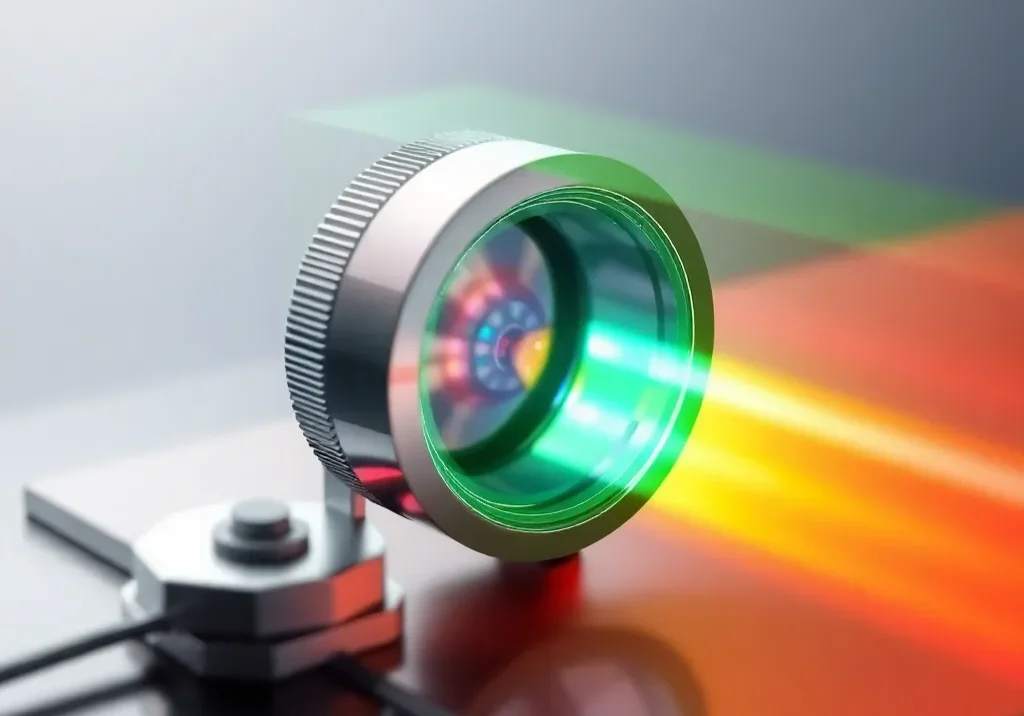
Sensor Performance: Model the optical performance of sensors in various environmental conditions.

Illumination Source Design: Optimize light sources for sensors to improve detection accuracy and range.

Reflective and Refractive Surfaces: Simulate how light interacts with reflective and refractive surfaces in sensor systems.

2025_12_04_10_23_34_151_954615

Optical System Integration

Component Integration: Simulate the integration of optical components like lenses, mirrors, and reflectors into systems.

Optical Path Optimization: Analyze and optimize light paths within systems to improve efficiency and performance.

Multidisciplinary Design: Integrate optics with other physical domains (e.g., mechanical, electrical) for a comprehensive system design.

2025_12_04_10_25_02_955_322408

Virtual Prototyping for Lighting Products
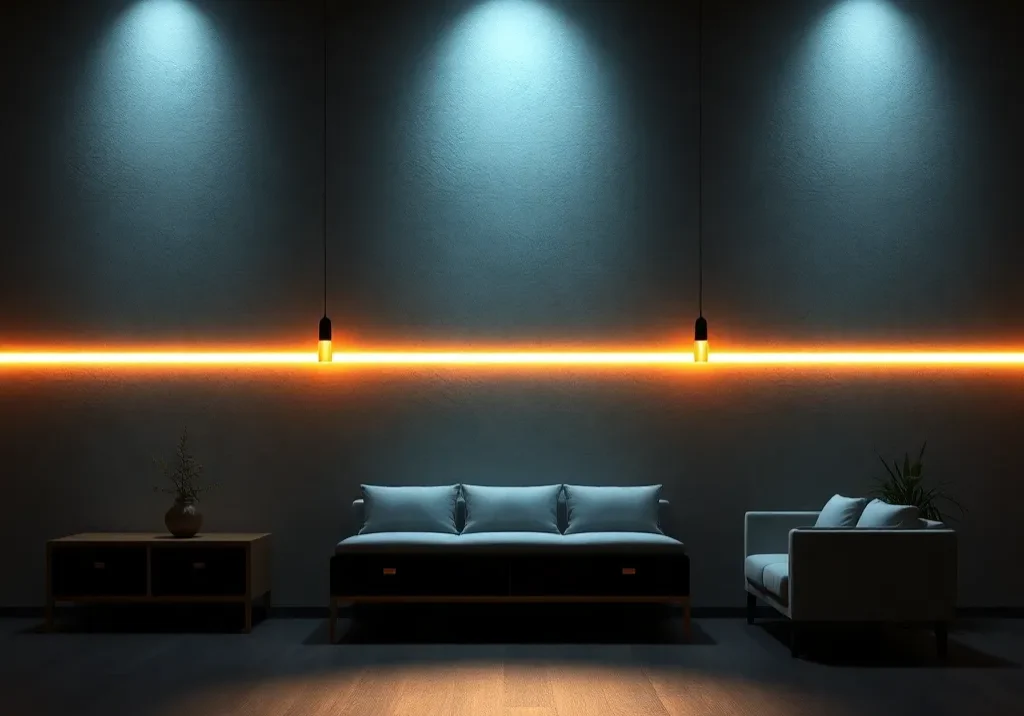
Design Validation: Use virtual prototyping to validate lighting designs before physical testing, saving time and costs.

Lighting Aesthetics: Simulate the visual impact of lighting on different materials, textures, and colors.

Early Design Feedback: Gain early feedback on the lighting performance to optimize designs quickly.

2025_12_04_10_26_44_398_635042

Optical Simulation for Aerospace

Aerospace Lighting Systems: Design and optimize lighting systems for aircraft, spacecraft, and satellites.

Cockpit Displays: Simulate optical systems for cockpit displays to enhance pilot visibility and readability.

External Illumination: Optimize external lighting for aircraft, ensuring safety and regulatory compliance during flight.

2025_12_04_10_28_09_207_373320

Medical Device Optical Design

Medical Imaging: Design optical systems for medical devices, ensuring clarity and precision in imaging.

Endoscope & Microscope Simulation: Simulate lighting for endoscopes and microscopes to improve visual clarity and accuracy.

Laser Systems: Model and optimize laser-based optical systems used in medical treatments.

2025_12_04_10_29_32_718_817137

Consumer Electronics Lighting

Smartphone and Tablet Displays: Optimize display lighting for handheld devices to improve screen clarity and battery life.

Wearables: Design and simulate lighting systems for wearable devices, ensuring efficient energy use and high visibility.

Smart Home Products: Optimize lighting for smart home products like lamps, bulbs, and other connected devices.

2025_12_04_10_31_05_559_500211

Relevant FAQs 

Can Speos simulate light and optical systems? +

Yes, Speos simulates lighting, optics, and human vision for product design and optimization.

Does Speos model optical performance in automotive lighting? +

Yes, it simulates automotive lighting, ensuring compliance with regulations and performance optimization.

Can Speos simulate the human eye’s perception of light? +

Yes, it simulates the interaction of light with human vision for interior and exterior lighting designs.

How does Speos optimize LED systems? +

Speos optimizes LED lighting systems for efficiency, distribution, and thermal management.

Can Speos model the effect of sunlight on designs? +

Yes, it simulates solar impact, shading, and glare in building and automotive designs.

Does Speos integrate with other Ansys tools for multiphysics simulations? +

Yes, it integrates with tools like Ansys Fluent for comprehensive simulations involving fluid dynamics

Can Speos predict glare in interior designs? +

Yes, it predicts glare and helps optimize lighting for interior spaces like vehicle cabins and buildings.

Ready to unlock the full potential of Ansys Speos?

Discover how Ansys Speos provides optical simulation tools to optimize lighting, camera systems, and displays.
2025_12_30_10_23_02_240_228570
We’re Online! How may I help you today?