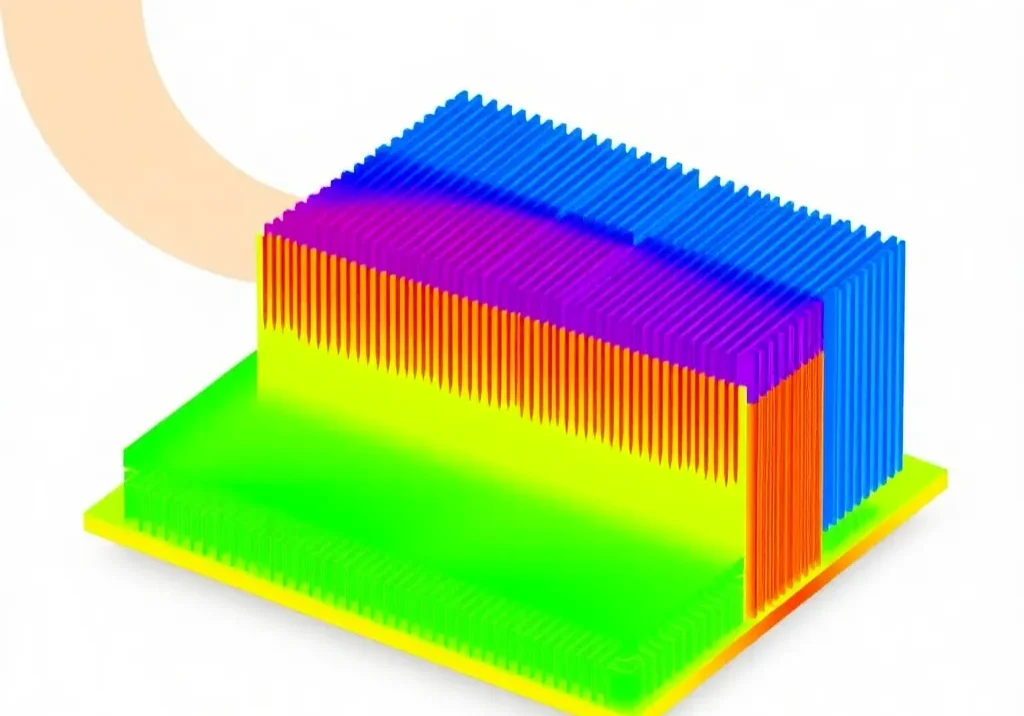
Our ANSYS Icepak thermal analysis services leverage the advanced capabilities of ANSYS Icepak to deliver accurate and efficient electronics cooling solutions. By combining CFD with thermal simulation, we model conduction, convection, and radiation effects in complex electronic systems to ensure optimal thermal performance.
With our ANSYS Icepak thermal analysis services, engineers can prevent overheating, optimize airflow, and design effective cooling strategies. The seamless integration of ANSYS Icepak with tools like ANSYS Mechanical and Ansys Fluent enables comprehensive multiphysics simulations, supporting detailed thermal-electrical-structural analysis for reliable and high-performance product design.
What’s in it for Engineers
Accurate Thermal Management for Electronics:
Icepak specializes in simulating the thermal performance of electronic systems. Engineers can model airflow and heat dissipation in components like PCBs, microchips, and servers, ensuring that designs remain within thermal limits.
Electronics Cooling Optimization:
Engineers designing high-performance electronics can use Icepak to simulate how heat spreads through various components, enabling better cooling solutions for longer device lifespans and improved reliability.
Complex Geometries with Realistic Simulations:
Icepak handles the cooling of systems with intricate geometries—such as server racks, PCBs, and power modules—in a way that’s accurate enough for precision applications.
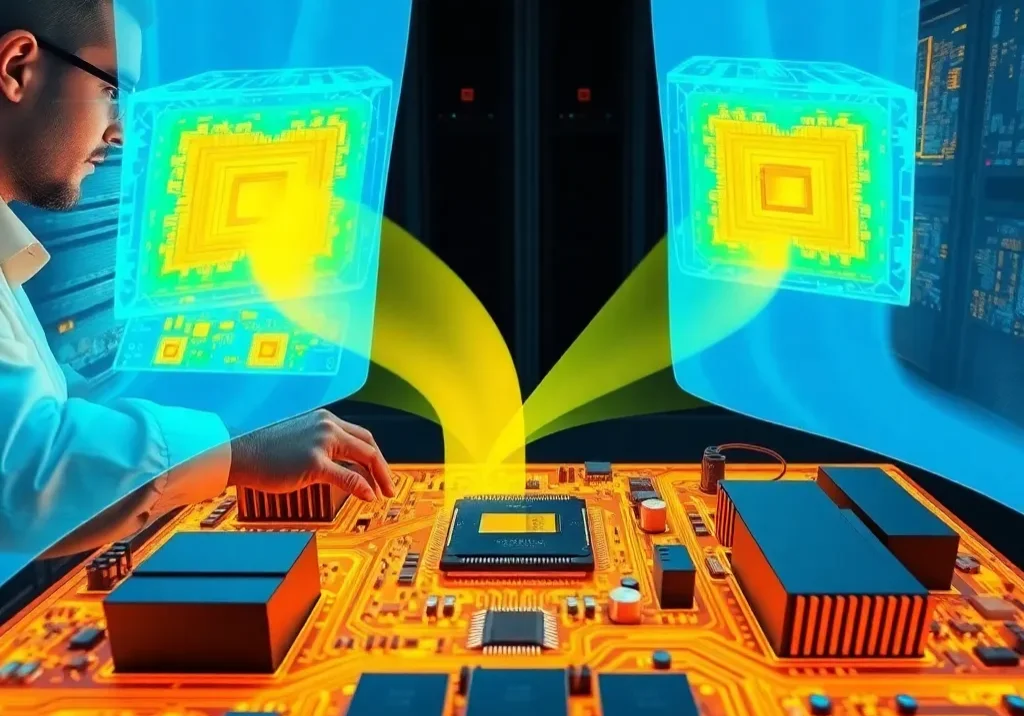
Featured Applications
Ansys Icepak is a powerful simulation tool for thermal analysis, specifically designed for electronics cooling and thermal management. It provides accurate, reliable simulations for understanding heat dissipation and optimizing thermal designs in electronic systems. Below are key applications of Ansys Icepak:
Electronics Cooling
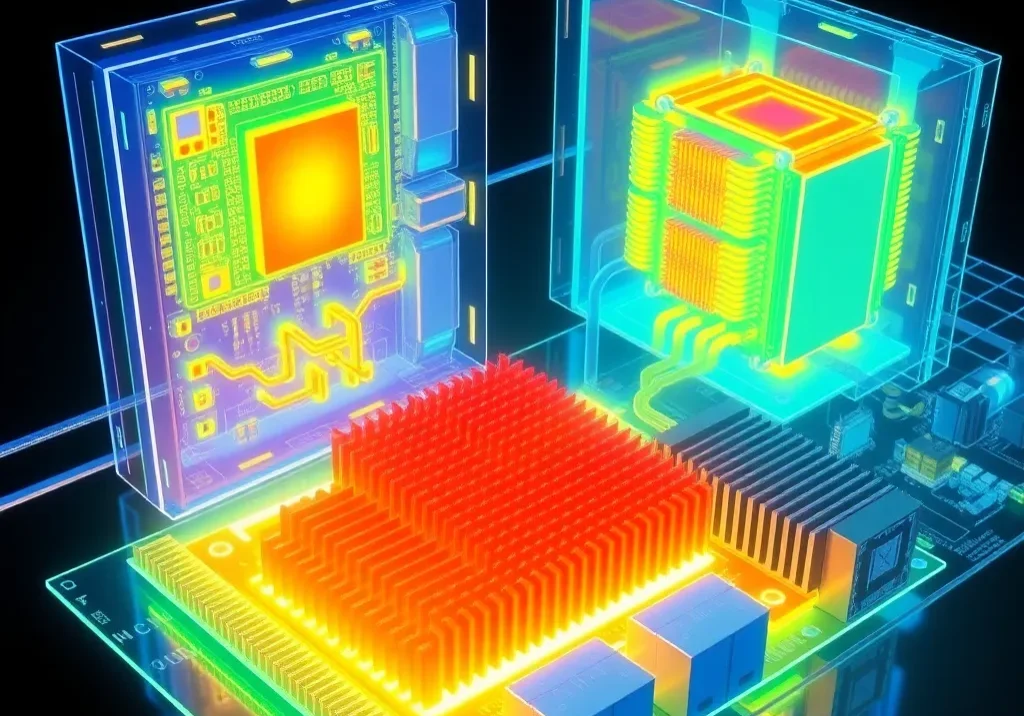
Semiconductor & Chip Cooling

Power Electronics
LED & Lighting Systems

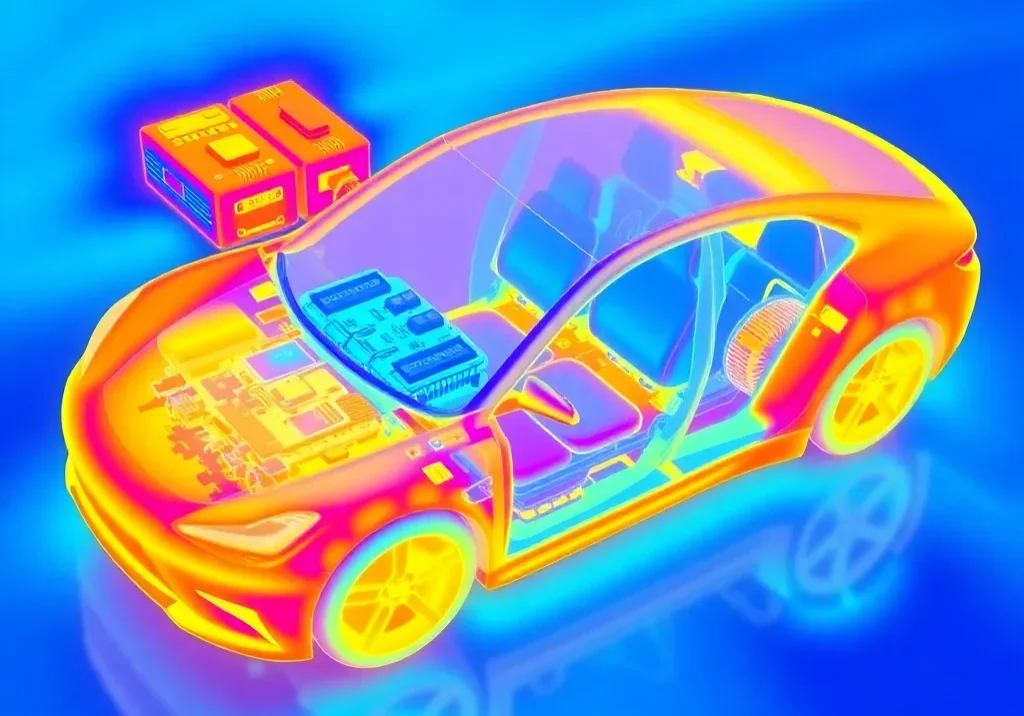
Automotive Electronics & Thermal Management
Data Center & Server Cooling

Consumer Electronics

Aerospace & Defense
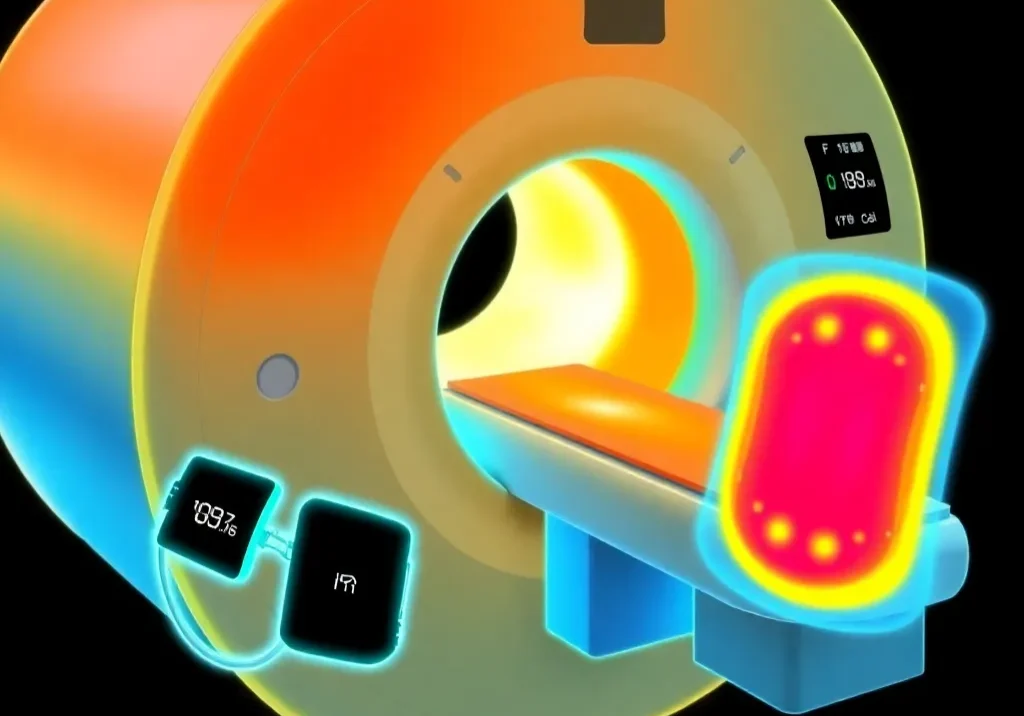
Medical Devices
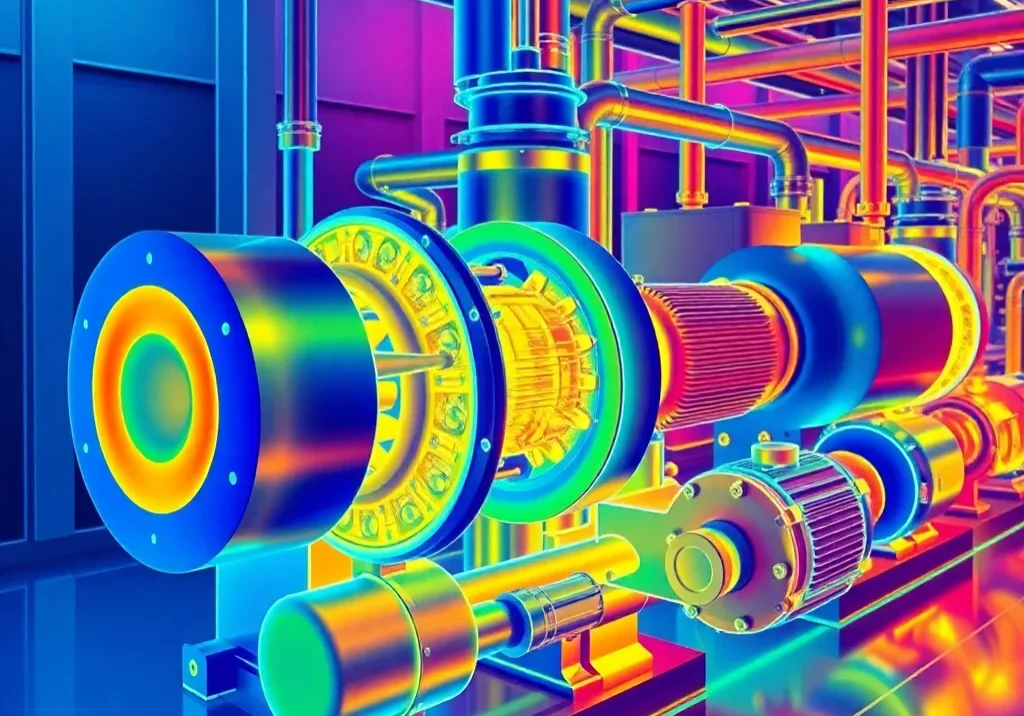
Industrial Equipment & Machinery
Telecommunications

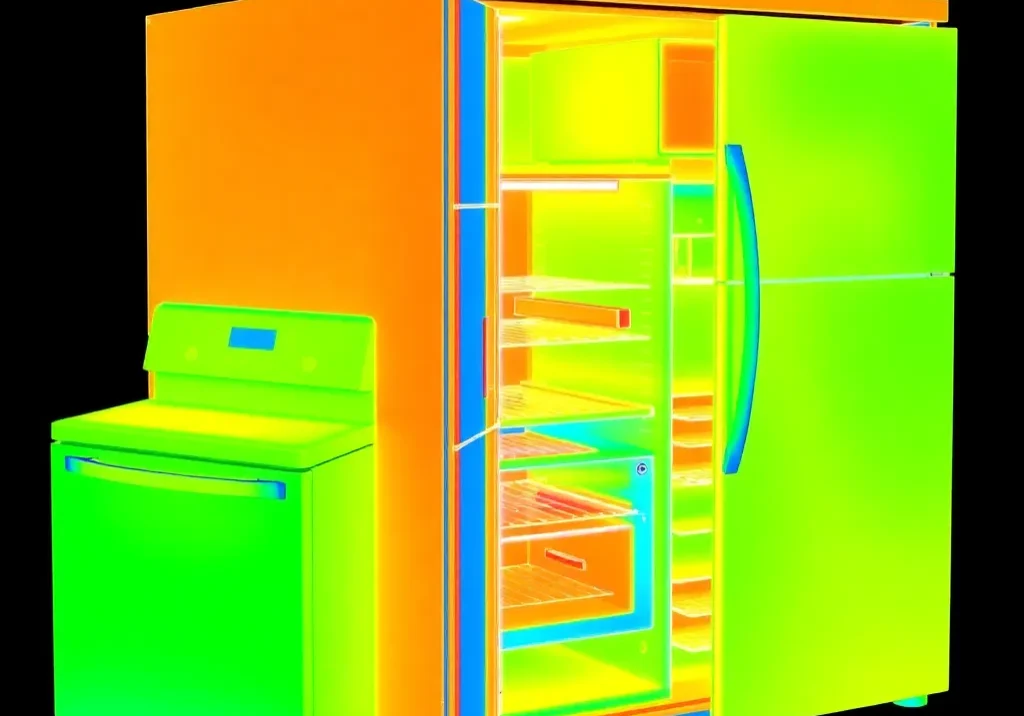
Consumer Appliances
Relevant FAQs
Yes, it is specialized in simulating heat transfer and cooling for electronic systems.
Yes, it simulates forced convection, including airflow through heat sinks and PCBs.
It simulates temperature distribution and airflow to optimize thermal management in electronic enclosures.
Yes, it can simulate thermal stresses and deformations in components under thermal loads.
Yes, it integrates with Ansys Mechanical and Fluent for multi-physics simulations.
It provides detailed simulations for thermal management in individual electronic components like processors.
Yes, it supports transient simulations to analyze time-varying thermal conditions in electronic devices.
Ready to unlock the full potential of Ansys Icepak?
Learn how Ansys Icepak helps you efficiently simulate and optimize thermal management solutions for electronics.